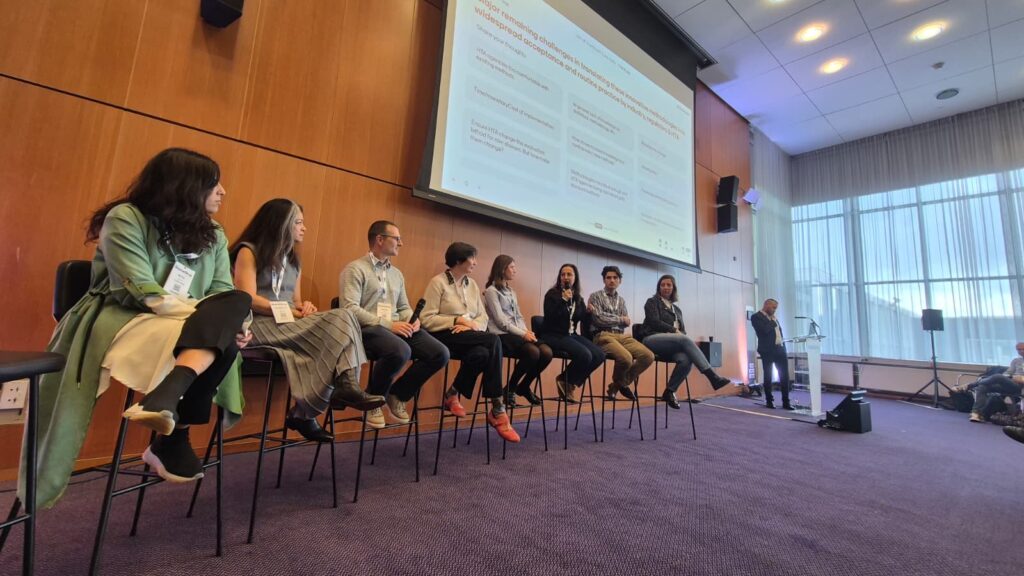

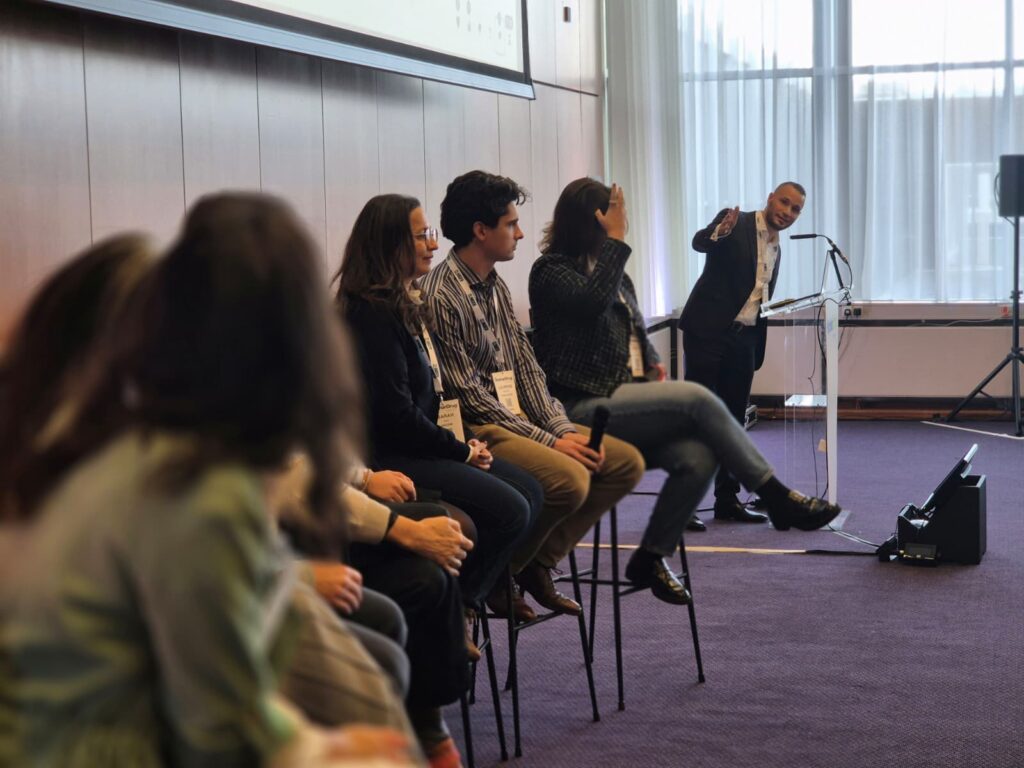
On 27 October in Amsterdam, ERDERA opened Day 1 of the World Orphan Drug Congress Europe 2025 with a 10:00 workshop delivered with RealiseD and INVENTS.
The session, “Innovative methodological approaches accelerating rare disease drug development: bridging data, innovative design, and decision‑making”, helped set the tone for the rest of the Congress by bringing together clinical investigators, patient organisations, methodologists, regulators and HTA representatives.
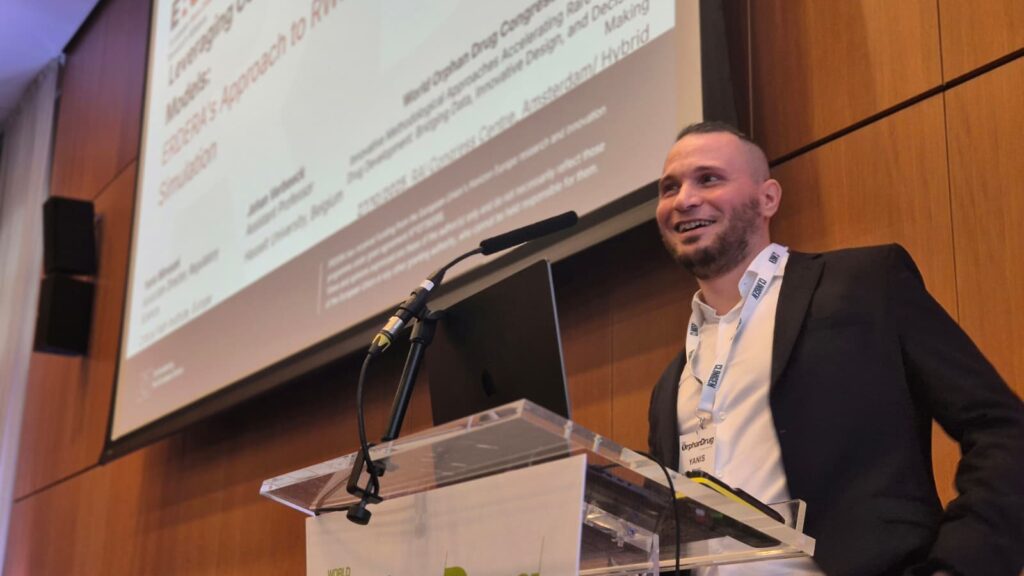
“We saw genuine convergence on usable next steps: interoperable evidence, designs that match the realities of small populations, and outcomes that matter to people living with a rare disease. The conversations in Amsterdam will translate into workplans across our networks,” said Yanis Mimouni, Associate Director in Regulatory Science at the Critical Path Institute Europe (C‑PATH).
Real‑world data: from source to decision
Discussion focused on making real‑world data usable across studies. The session started with an interactive inquiry on representation — each member of the audience indicating their stakeholder group — to map background and interests and guide a targeted discussion.
After this, speakers representing ERDERA, INVENTS and RealiseD showcased complementary advances, outlined relevant regulatory frameworks and identified challenges.
Mimouni explained how ERDERA is helping build regulatory‑grade natural history cohorts by linking registries with national health systems, including the French BNDMR and SNDS, and using these datasets for disease‑progression models and clinical‑trial simulation in conditions such as Duchenne muscular dystrophy, autosomal dominant polycystic kidney disease, spinal muscular atrophy and hereditary ataxias, with pathways towards EMA use.
INVENTS is a Horizon Europe team working on ways to design and test studies when only small numbers of patients are available. They showed how “in‑silico” methods can create computer‑generated patients based on real data, so researchers can explore treatment effects and fill gaps where evidence is missing.
These models are built and checked using large, privacy‑protected datasets shared by partners, and the project is developing a clear process so that regulators can judge when such evidence is reliable. The presentation discussed templates and governance patterns designed to shorten set‑up without compromising reviewability.
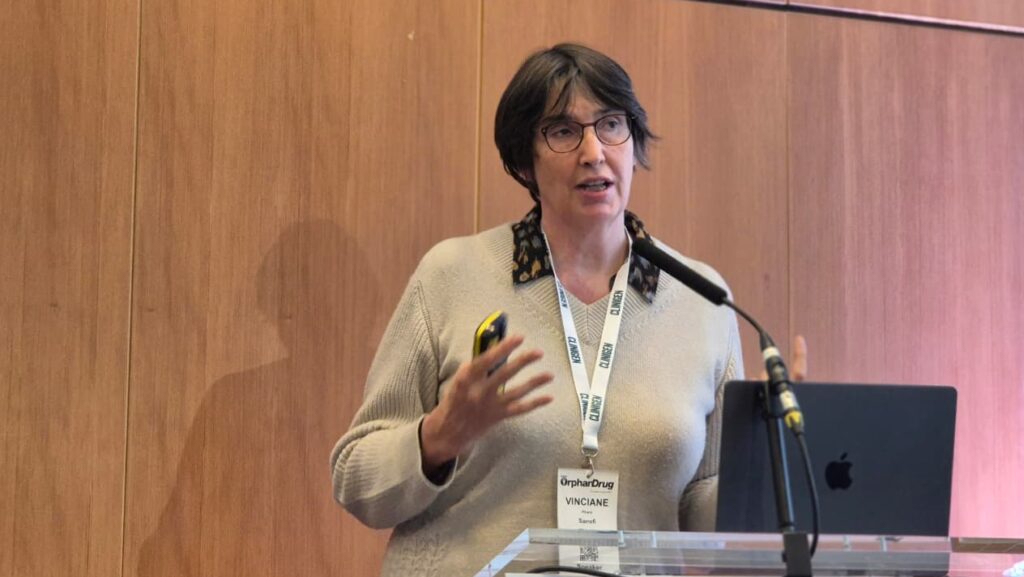
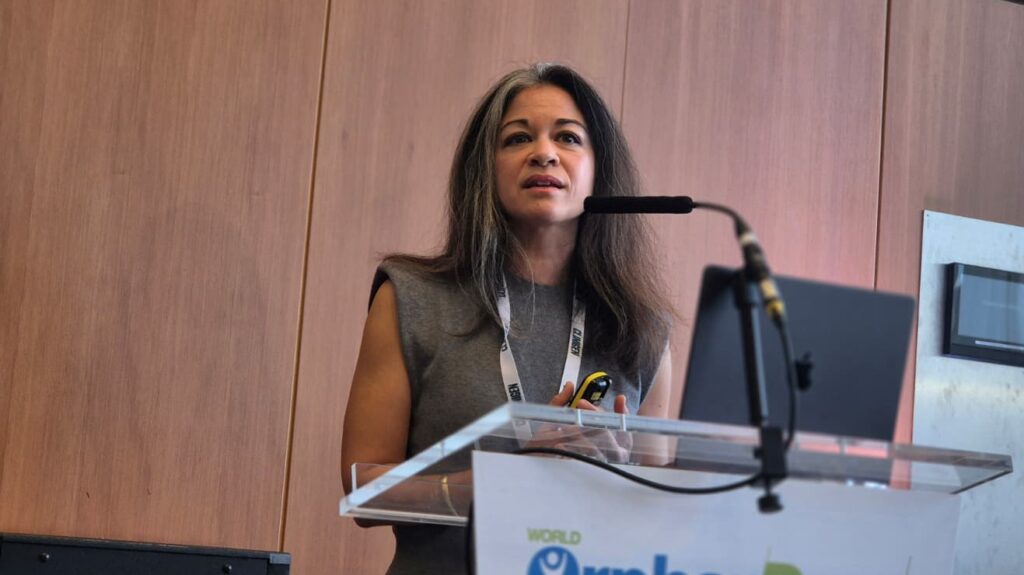
RealiseD, an EU‑funded consortium focused on improving trials in rare and ultra‑rare diseases, then described an end‑to‑end approach. In accessible terms, the team presented: innovative designs that reduce or adapt randomisation and allow borrowing from well‑curated historical data; practical enablers for execution such as patient‑enrolment models and criteria for certified trial sites; and structured dialogues with regulators and HTA bodies to turn methods into clear playbooks for future studies.
Vinciane Pirard, Scientific Advocacy and Insights, Global Medical Affairs – Rare Diseases, Sanofi, said the case for new methods must remain clear: “It is important to explain why this is needed — which problem the methodology is solving, and whether it solves it for everyone or for specific contexts. The message needs to be repeated.”
RealiseD’s Danielle Dong, Global Medical Scientific Advocacy Lead for Rare Disease at Sanofi, added: “Europe has the assets — registries, centres of expertise and clear regulatory expectations — but value to the rare disease community at large appears when the links are operationalised: shared definitions and a visible chain from source to decision.”
Patient involvement deemed essential
Across these projects, patient involvement is embedded — young and adult advisory groups are trained to co‑develop preference‑based outcomes and to inform protocols — helping ensure that future studies are feasible, interpretable and centred on what matters to people living with a rare disease.
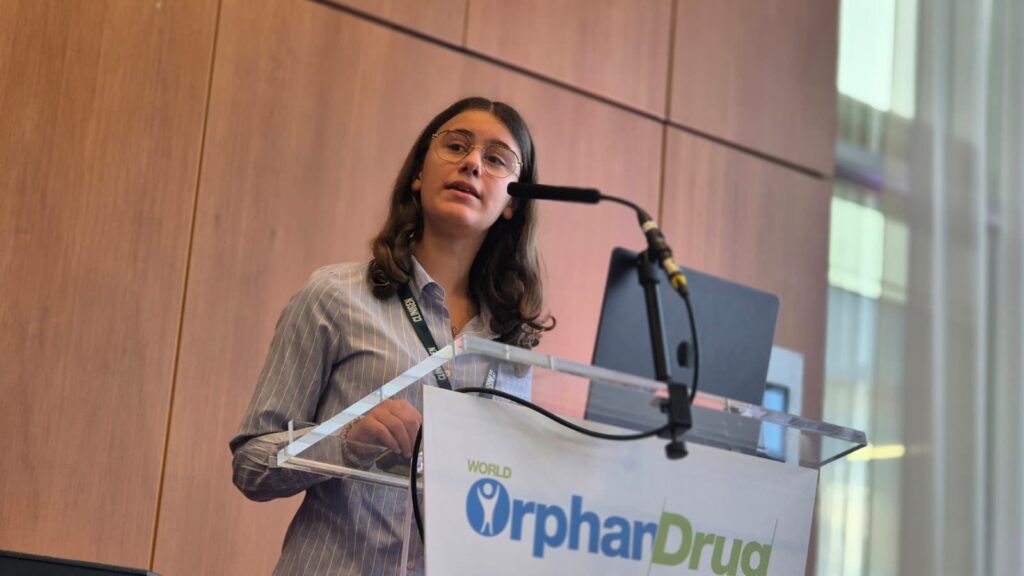
Valentina Jalby, a 12‑year‑old rare disease patient, described her recent participation in a patients’ expert group and the difference it can make: “As a patient, there is a gap between what we need, what we feel and what the specific protocol is — and at the Patient Expert Groups (PEG) we feel we are narrowing the gap through these projects.”
Collective reflections to close the session
The workshop closed with a Mentimeter‑supported exchange on how methods are progressing and how regulators may evaluate new applications using them. “I believe multi‑stakeholder collaboration is a key factor here,” said EURORDIS’ Rita Francisco. “If we involve all stakeholders from the start, it is an implementation booster. All IHI projects have a responsibility to show success — and success stories persuade.”
Sarah Zohar, Coordinator of INVENTS and Director of Research at Inserm, highlighted a major legal challenge: “Europe is rightly strong on regulation and on protecting patients. The regulatory pathway was efficient, but the legal work to enable privacy‑preserving data access across platforms took the most effort. Ensuring each partner could access the same data securely is essential — without that, we cannot do the research.”
Much to discuss in the coming days
WODC Europe continues this week with sessions on data, clinical research and patient‑centred innovation. ERDERA partners will participate across panels and meetings to refine practical next steps: improving interoperability between registries and health data systems, consolidating reusable trial design tools, and expanding meaningful patient involvement across studies.