Ana Rath, Data Services Co-Lead in ERDERA, explains how the consortium is helping researchers and data holders make rare disease data more findable, interoperable and reusable while protecting privacy and keeping data holders in control.
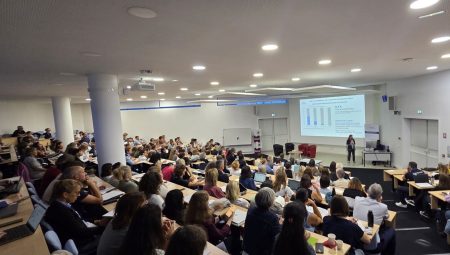
ERDERA contributed to the first Journée nationale FrBioNet, bringing a European rare disease perspective to discussions with the French biobanking community.
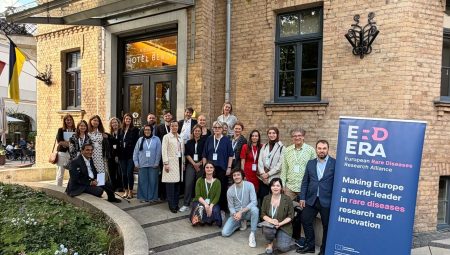
Held in Riga on 9–10 June, the workshop brought National Mirror Group experts, researchers, clinicians and policymakers together to exchange practical lessons on how national rare disease registries can better support research and alignment across countries.
Bringing clinicians, researchers, patient representatives and families together, the event examined how shorter diagnostic pathways depend not only on better tests, but on shared expertise, structured phenotyping and patient-centred support.
ERDERA and the European Genomic Data Infrastructure have signed a Memorandum of Understanding to strengthen collaboration on secure cross-border access to genomic, clinical and other health-related data, supporting rare disease research and the development of personalised medicine in Europe.
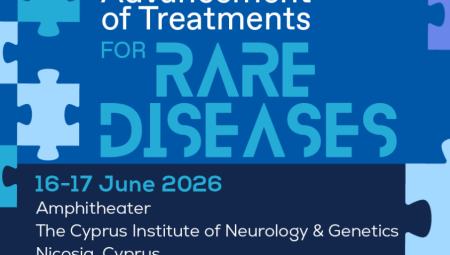
The two-day event will focus on translating research and policy initiatives into tangible benefits for Rare Disease patients through better prevention, diagnosis, and treatment.
European Parliament research service assessment, published in February 2026, identifies 31 measures that could form an EU rare disease action plan, highlighting European Reference Networks and cross-border collaboration including ERDERA as drivers of EU added value.