
C&D requirements for ERDERA partners

Communication, dissemination and visibility are contractual obligations for all Horizon Europe-funded projects. As an ERDERA partner, you are required to acknowledge EU funding, ensure the visibility of ERDERA, and support the reporting of project activities and results.

To facilitate this, ERDERA has developed an online Communication & Dissemination Tracker. Activities and publications can be submitted early, saved as drafts and completed later, while automated reminders help ensure timely reporting.

These requirements are aligned with the European Commission’s communication and visibility requirements, which mandate the use of funding acknowledgements, disclaimers and visual identity elements in project communication and dissemination activities.

This page brings together the mandatory requirements, branding assets and supporting resources that apply to ERDERA publications, events, presentations, websites, social media content, audiovisual materials and other communication outputs.

Compliance with these requirements helps ensure proper EU visibility, supports project reporting, and maximises the reach and impact of ERDERA activities through project, partner and European channels.

For any questions, please contact comms@erdera.org.

 
ERDERA square
These requirements are mandatory for any publication, event or activity to be reported to the European Commission and included in project reporting and reimbursement. As WP Leads, you are responsible for ensuring compliance, reporting through the ERDERA Tracker, and informing the Coordination Office and Communications Unit to enable timely review, promotion and dissemination.

📄 Is this a publication? Follow these guidelines and ensure the mandatory Acknowledgement and Disclaimer are included. Submit draft publications in the Tracker as early as possible to avoid delays and maximise dissemination opportunities.
📅 Is this an activity or event? The mandatory Acknowledgement, Disclaimer and both the Co-Funded by the EU and the ERDERA logos must be clearly displayed. Activities can be reported in advance and saved as drafts in the Tracker, allowing the Communications Unit to support promotion and dissemination before the event takes place.
  • Official Acknowledgement & Disclaimer to be included in all materials: ERDERA has received funding from the European Union’s Horizon Europe research and innovation programme under Grant Agreement No. 101156595. Views and opinions expressed are those of the author(s) only and do not necessarily reflect those of the European Union or any other granting authority, who cannot be held responsible for them.
  • Co-funded by the European Union logo: Please see here.
  • ERDERA logo: Please see here.
  • Report: Report all publications, events and activities through the ERDERA Tracker.
  • Promote: Contact comms@erdera.org to amplify your activity through ERDERA’s website, social media channels and stakeholder networks.
If you are unsure whether the acknowledgement, disclaimer or logo use complies with ERDERA requirements, contact the Coordination Office or Communications Unit before publication or promotion.

ERDERA’s requirements are based on European Commission obligations for EU-funded projects.

All project communication products must acknowledge IHI support through the appropriate logos, funding acknowledgement and disclaimer. The European Commission’s communication and visibility requirements establish that beneficiaries must acknowledge EU support, display the EU emblem and funding statement, use the required disclaimer, and promote the project and its results in a strategic, coherent and effective manner.

Under the ERDERA Grant Agreement, Communication is a legal obligation, and dissemination activities are required to increase the impact of project results.

For this reason, ERDERA partners must include the required acknowledgement, disclaimer and visual identity in publications, events and communication or dissemination materials, and report them through the ERDERA Dashboard so the project can document compliance and support wider dissemination.

 
The ERDERA logo

Service logos

Funding
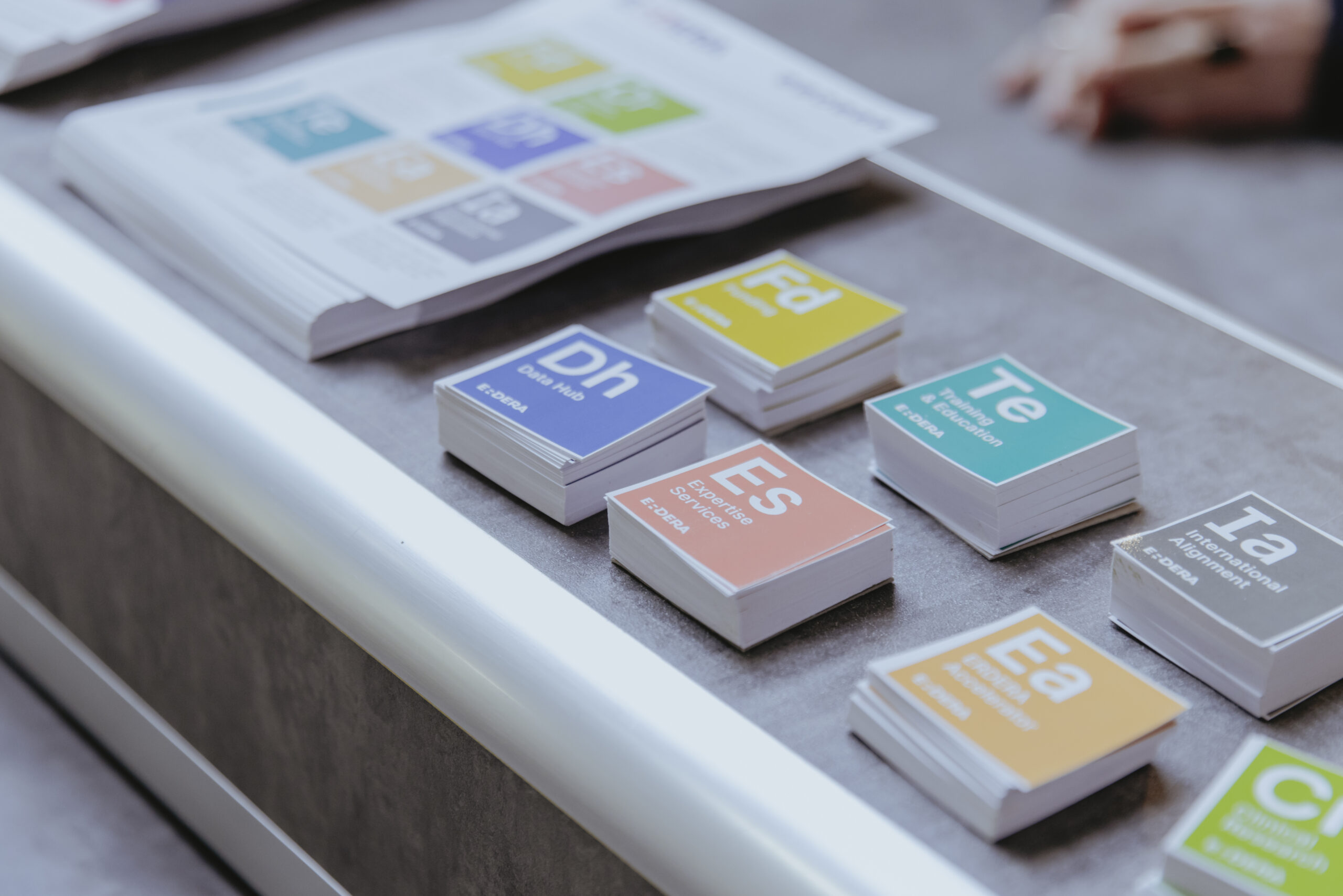
Data Hub
Clinical Reserch Network
Expertise Services
Training and Education
ERDERA Accelerator
(Inter)national Alignment

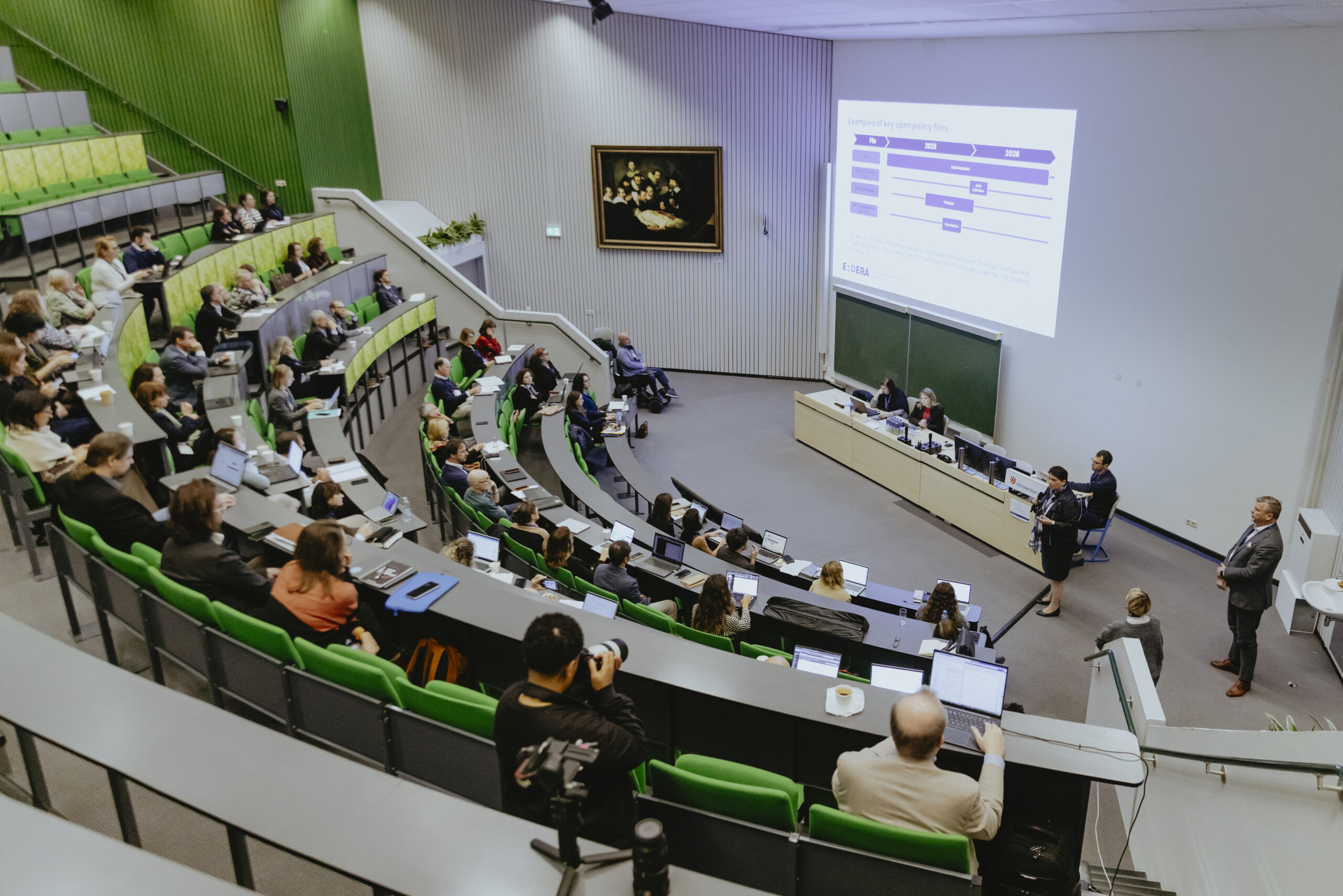
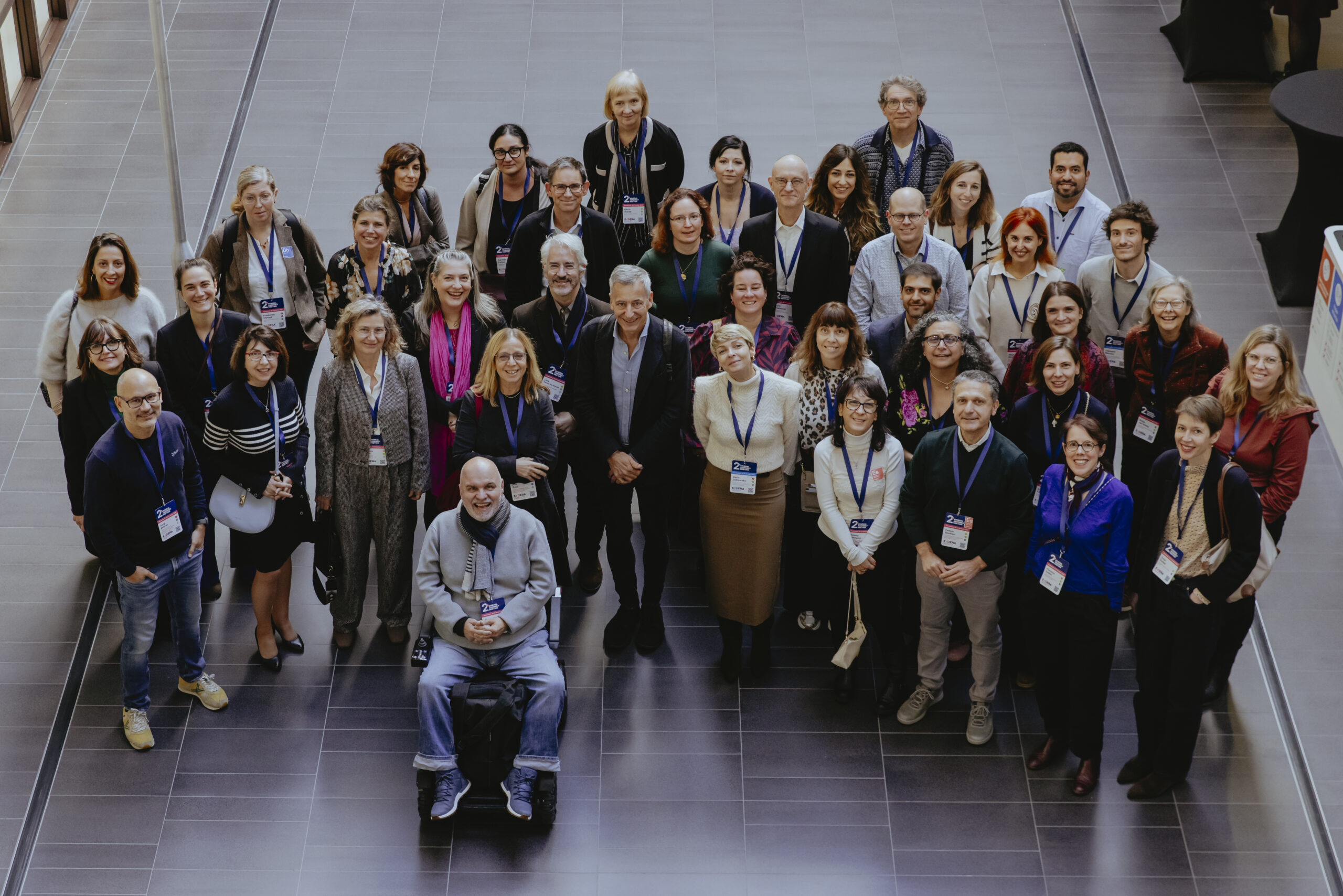
ERDERA 2nd General Assembly Meeting 2025

Session picture
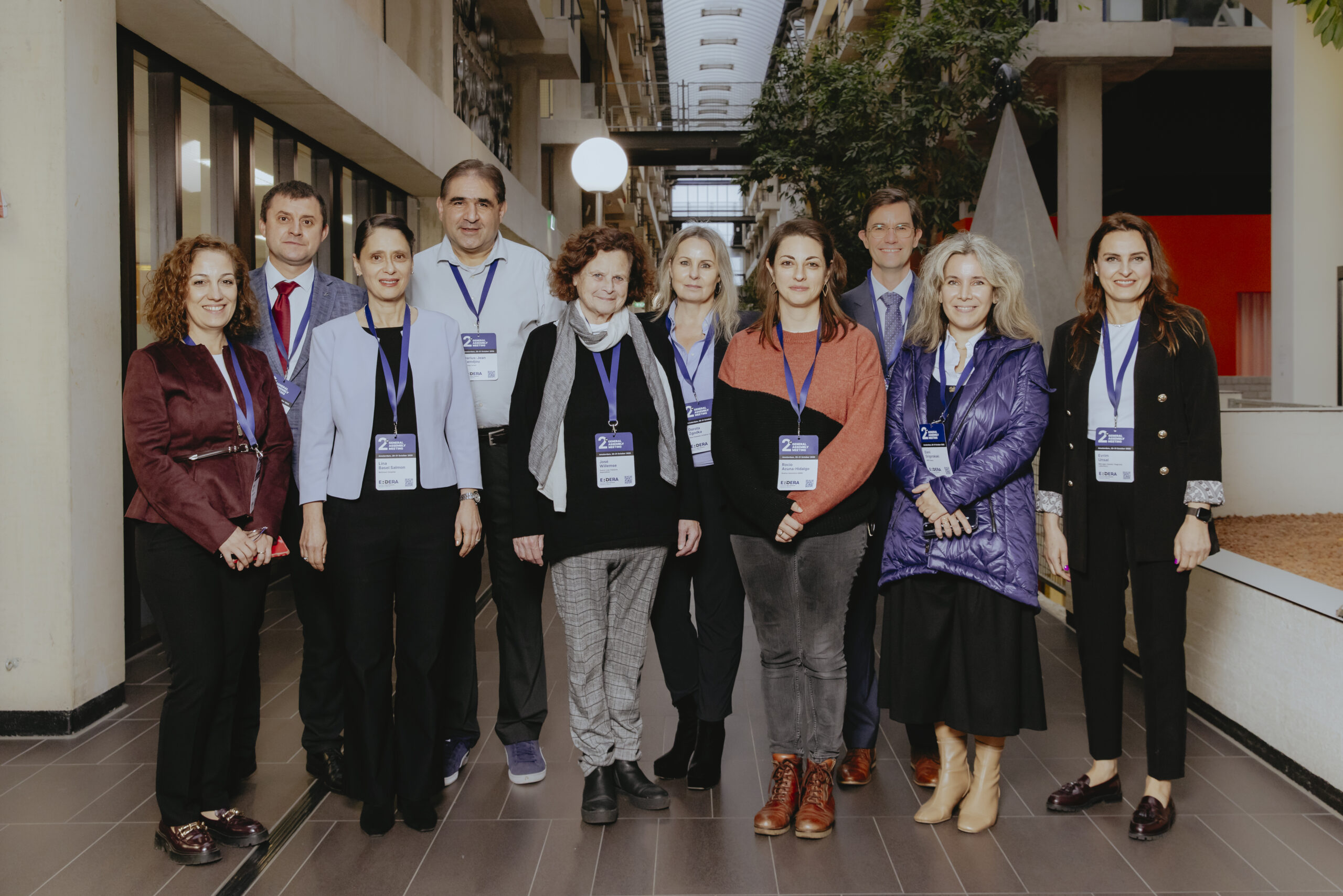
Governing Board
Registration Desk
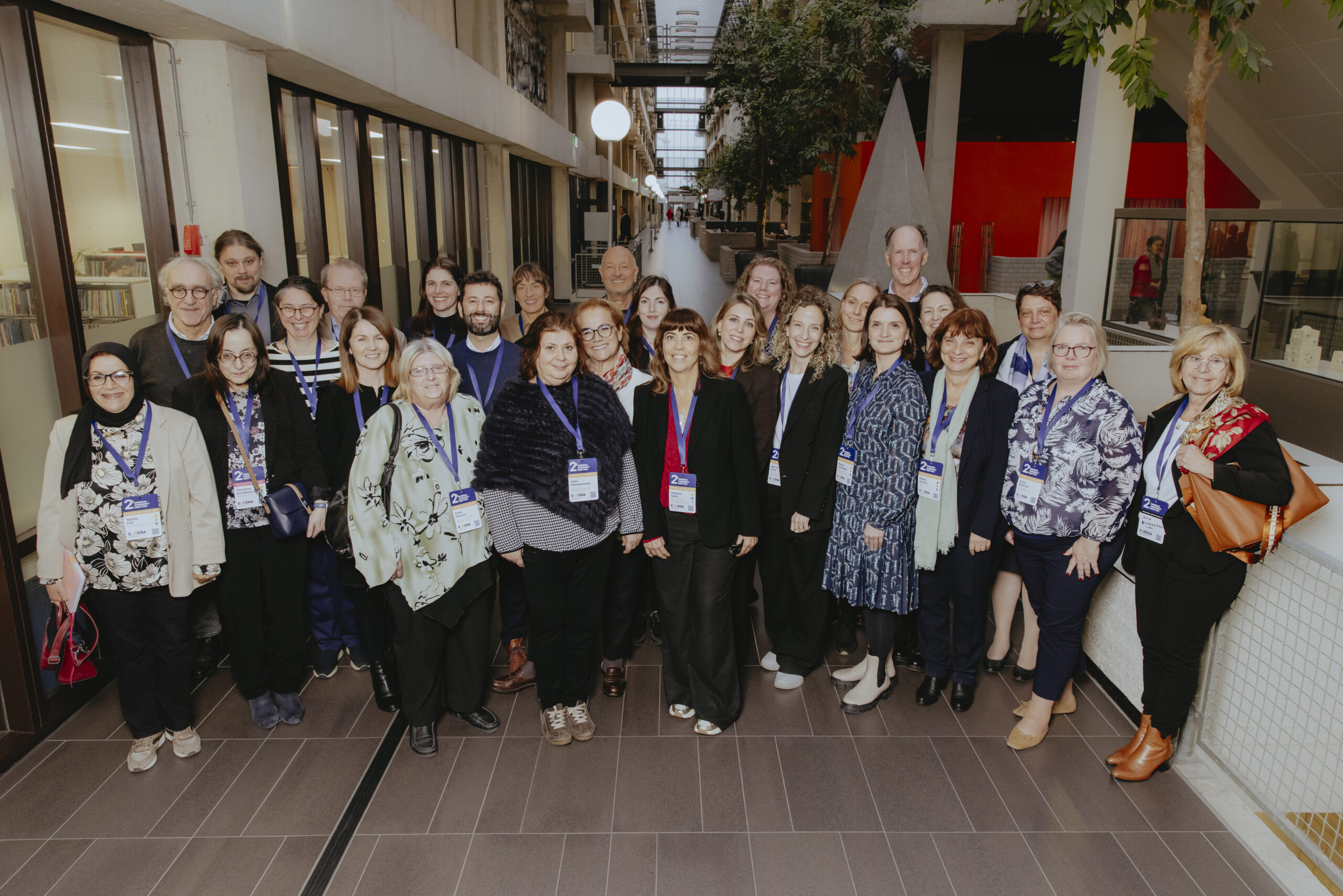
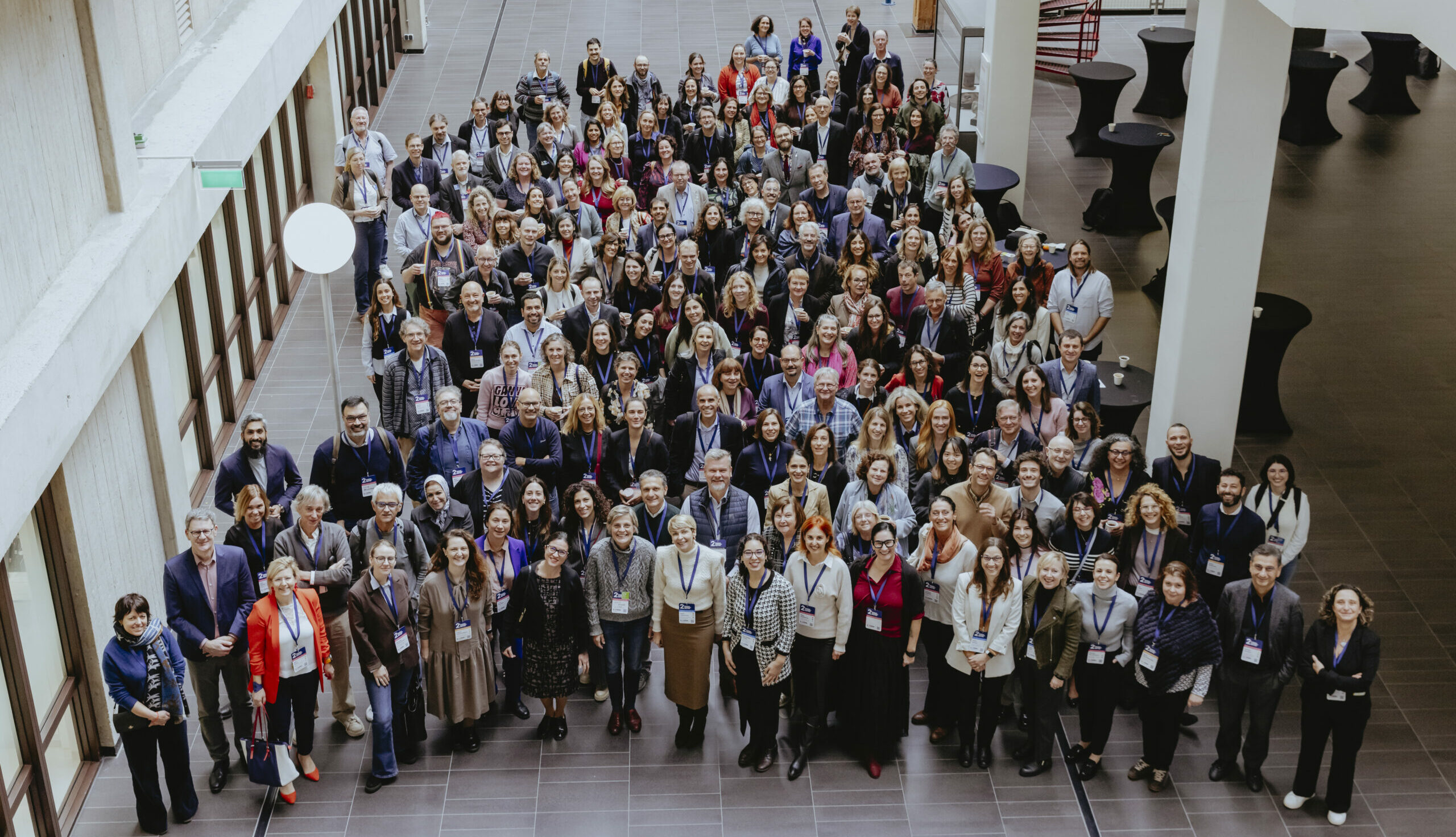
Consortium group photo
Multistakeholder Advisory Board
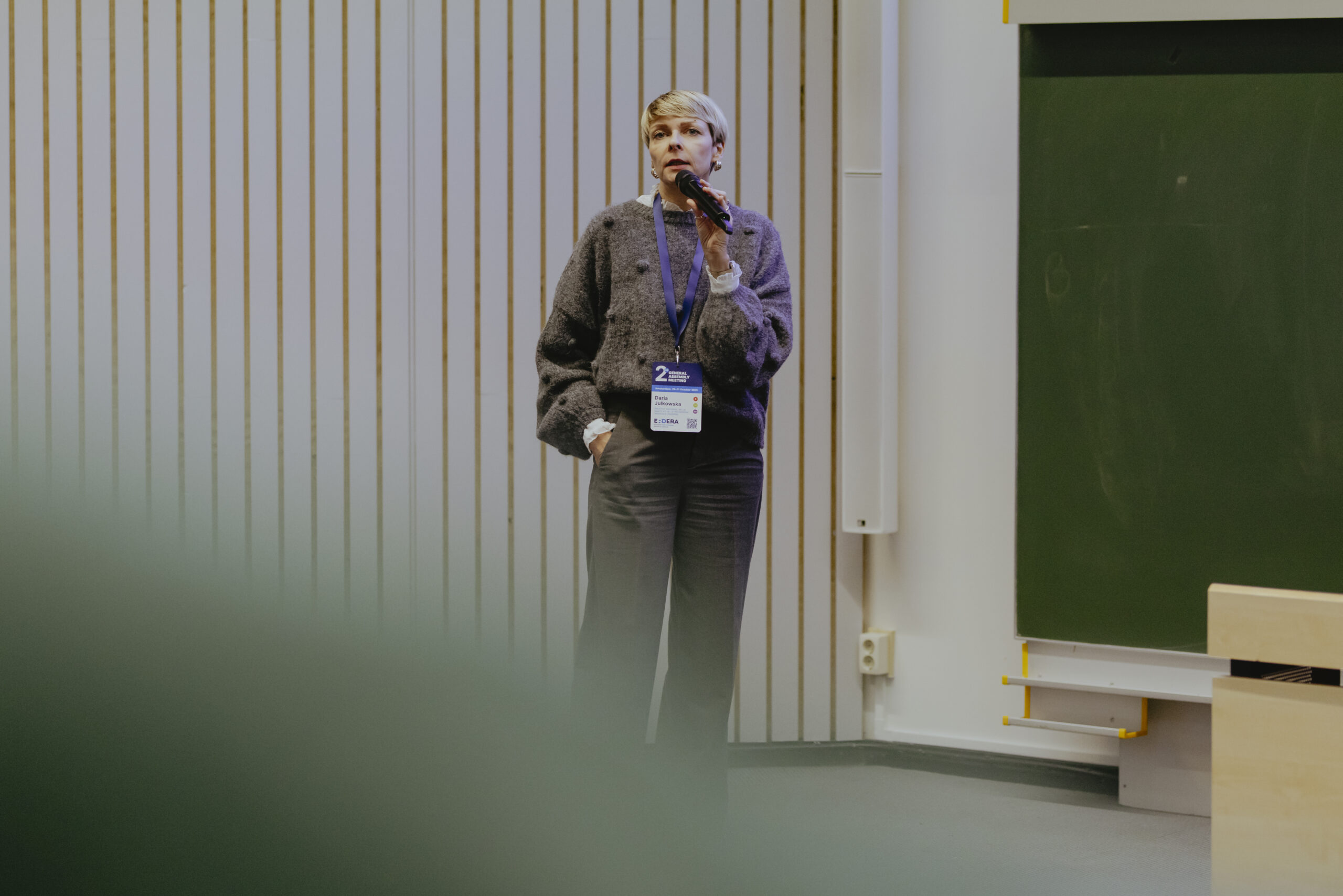
ERDERA Coordinator Daria Julkowska
Session picture
Session picture
Daria Julkowska presenting during the Assembly
Workstream and Work package leaders

Other pictures

Images on this page are available for editorial use in coverage of ERDERA.

Unless stated otherwise, please credit: “© ERDERA – European Rare Diseases Research Alliance” and, where indicated, add the named photographer or partner (e.g. “© ERDERA/Photographer Name” or “© ERDERA/Partner Organisation”).

Images may be cropped for layout but should not be noticeably altered; commercial use or resale is not permitted. For permissions beyond these terms, please contact the ERDERA Communications Unit.

  • ERDERA, the European Rare Diseases Research Alliance, is a European partnership bringing together over 170 public and private organisations across 37 countries, focused on improving prevention, diagnosis and treatment for the thirty million Europeans living with a rare disease.
  • ERDERA is designed to make research more usable for patients and families by linking expertise, infrastructure and funding across borders, so that small patient populations can still generate robust evidence
  • The partnership runs until 2031 and has an estimated overall budget of €380 million; this supports collaborative research projects, clinical trials, and services that help teams move from promising findings to well‑designed studies.
  • Around €150 million is contributed by the European Union via Horizon Europe, with the remainder coming from Member States, countries associated to Horizon Europe, and cash and in‑kind contributions from public and private partners.
  • ERDERA builds on foundations laid by the European Joint Programme on Rare Diseases (EJP RD), aiming to carry forward what worked and expand capacity where gaps remain, including data, expertise and training.
  • A core feature is a Clinical Research Network that supports diagnostic and clinical research readiness, including approaches designed for rare disease realities (small cohorts, dispersed expertise and cross‑border recruitment).
  • ERDERA supports health and research data use through a FAIR‑oriented ecosystem, including digital tools and, where appropriate, AI methods, with an emphasis on quality and reusability so results can be trusted and built upon.
  • Patient and public involvement is treated as part of how ERDERA works, not an add‑on—helping shape priorities, study design and the relevance of outcomes for daily life.
  • International and national alignment matters in rare diseases; ERDERA uses mechanisms such as National Mirror Groups to help reduce fragmentation and strengthen capacity where it is currently uneven.
  • ERDERA includes policy‑relevant work—using evidence, coordination and horizon scanning to help ensure the right policies and research conditions are in place for translation—while also developing a sustainability pathway so that what is created during the partnership can continue to be delivered and maintained beyond the grant period.

Vision and mission

  • Our pledge is simple and urgent: better prevention, better diagnosis, better treatment for people living with a rare disease in Europe.
  • ERDERA works to make Europe a world leader in rare diseases research and innovation, delivering concrete health benefits for patients.
  • We align national and European funding and strategies to create a seamless research‑to‑care continuum and close the translation gap.
  • We reduce fragmentation of knowledge and data through a federated, FAIR ecosystem—findable, accessible, interoperable and reusable.

Ambition by 2030

  • ERDERA focuses on tangible solutions that improve outcomes for patients, families and health systems.
  • Push diagnosis closer towards six months for identified diseases, or inclusion in a global diagnostic and research pipeline for unknown disorders.
  • A substantial number of new therapies approved, expediting clinical trial readiness and regulatory fit to pave the way for approval.
  • Better evaluation and understanding of the impact of rare diseases to inform policy decisions.

Roadmap and foundations

  • Five routes guide action: generate knowledge into medical interventions; make data work for science, regulation and care; empower people living with rare diseases as equal partners; strengthen skills and capacity across Europe; and build an integrated pan‑European ecosystem.
  • ERDERA amplifies advances from EU‑funded initiatives such as SOLVE‑RD, ERICA and the EJP RD.
  • EJP RD mobilised €101 million (€55 million from the EU) for collaborative research and created a cutting‑edge virtual platform for coordinated access to rare disease data, tools and resources.
  • EJP RD built capacity through training, mentoring and clinical studies support, as well as delivering practical resources.

You might also be interested in

At the European Human Genetics Conference 2026 in Gothenburg, ERDERA’s Diagnostic Research Workstream reviewed progress, highlighted early results and used a major European genetics meeting to examine how advances in data sharing and genomic analysis may strengthen rare disease diagnosis across countries.
On 3–4 June, EURORDIS–Rare Diseases Europe and Orphanet convened the rare disease community at ECRD 2026 in Prague around a shared call for coordinated European action, including the forthcoming European Blueprint for Rare Diseases.
Sweden has adopted its first national strategy for rare health conditions, aiming to improve coordination, equity and access to care between 2026 and 2030.
A new online learning series for ERN professionals, clinicians, researchers, and stakeholders.