Your Category: Clinical Research

How careful symptom observation guides the diagnosis of rare diseases.
New international guidance supports decentralised clinical trials, pragmatic designs and the use of real-world data.
ERDERA will return to the World Orphan Drug Congress Europe with a booth and an interactive pre-conference workshop examining where artificial intelligence can support rare disease research and therapeutic development, and where human expertise remains essential.
This annex explains the specific eligibility, sponsorship, funding and application requirements for Canadian applicants in the ERDERA Clinical Trial Call.
Call text draft setting out rules, eligibility and staged application process for the ERDERA Clinical Trial Call 2026.
September 25 @ 1:00 pm - 2:00 pm
Intended for researchers, clinicians, data managers, ERN and National Mirror Group members involved in or interested in ERDERA diagnostic research.
The multicentre observational study analysed 661 assessments from 219 people with SCA27B to examine disease progression, clinical outcome metrics and demographic or genetic modifiers.
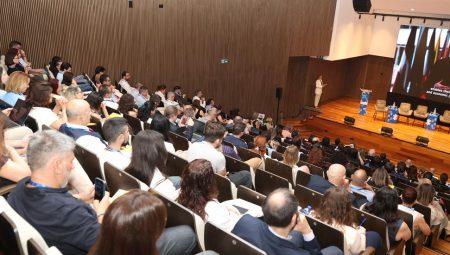
At the “Advancement of Treatments for Rare Diseases” conference in Nicosia, European and national policymakers joined clinicians, researchers, regulators, industry representatives and patient advocates to examine how stronger coordination can translate scientific progress into better prevention, diagnosis, treatment and access to care for people living with rare diseases.

July 24 @ 3:00 pm - 4:00 pm
This webinar will present a theoretical framework for situating ethics across research activities. The framework will then be brought to life through a relevant case study discussion, giving participants a concrete reference point for the episodes ahead.
ERDERA (the European Rare Diseases Research Alliance) has opened its Clinical Trial Call to support multinational early-phase clinical trials in rare diseases. The call will fund studies designed to generate robust clinical evidence, strengthen regulatory readiness and make rare disease trials more feasible across countries.