Your Category: Expertise Services

ERDERA’s third General Assembly brought partners together in Coimbra to review its second year, strengthen connections across the partnership and align priorities for a more integrated and delivery-focused third year.
ERDERA marked the close of its second year with an Open Session on ultra-rare diseases, bringing together European, regulatory and scientific perspectives on how innovation can reach patients.
December 14 @ 3:00 pm - 4:00 pm
This information webinar on the 2027 Joint Transnational Call for Proposals is scheduled for 14 December 2026.
ERDERA’s ethics and regulatory experts are launching a dedicated webinar series to help the rare disease research community navigate two fast-moving areas of biomedical research: Advanced Therapy Medicinal Products (ATMPs) and Artificial Intelligence.
This initiative is also highly relevant from a rare diseases perspective, as paediatric cancers are rare conditions where small patient populations make robust non‑clinical proof‑of‑concept data essential for responsible and ethical trial initiation.
For rare diseases, where research often relies on limited animal models and small development teams, the regulatory acceptance of virtual control groups could help streamline early non‑clinical studies while maintaining a strong focus on patient safety.
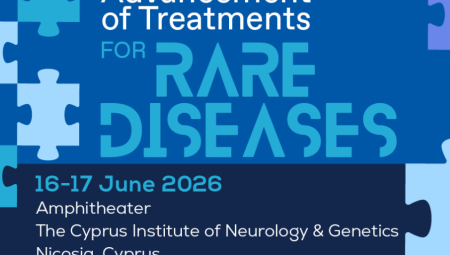
June 16 - June 17
The two-day event will focus on translating research and policy initiatives into tangible benefits for Rare Disease patients through better prevention, diagnosis, and treatment.
This study investigates possible measures that could be taken at EU level to address these challenges. It finds significant European added value in harmonising coordination and access across the 27 Member States, mainly in terms of improved diagnostic tools and availability of medical treatment, better health outcomes, particularly lower infant mortality, and improved well-being of family members and caregivers.
The European Medicines Agency has begun a formal review of Tavneos (avacopan) after emerging information raised questions about the integrity of key clinical trial data supporting its EU authorisation, with potential implications for adults living with rare autoimmune vasculitis.