On 13 November 2026 in Dublin, Ireland, this event will explore how research, innovation, patient partnership and EU policy can improve rare disease care and strengthen Europe’s life sciences ecosystem.
Applications for the 2027 Open Academy x ERDERA Schools offer patient advocates and early-career researchers the opportunity to strengthen their knowledge and participation in rare disease research.
The Open Academy x ERDERA accompanies patient advocates by offering rare-disease specific comprehensive training programmes that empower advocates with the knowledge, skills and confidence they need to engage with different stakeholders as equal partners.
ERDERA (the European Rare Diseases Research Alliance) has opened its Clinical Trial Call to support multinational early-phase clinical trials in rare diseases. The call will fund studies designed to generate robust clinical evidence, strengthen regulatory readiness and make rare disease trials more feasible across countries.
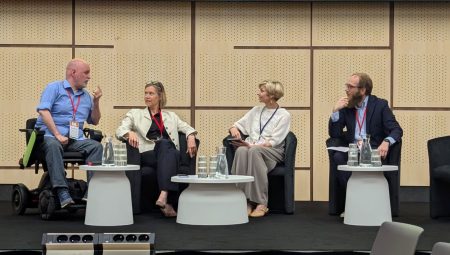
On 3–4 June, EURORDIS–Rare Diseases Europe and Orphanet convened the rare disease community at ECRD 2026 in Prague around a shared call for coordinated European action, including the forthcoming European Blueprint for Rare Diseases.
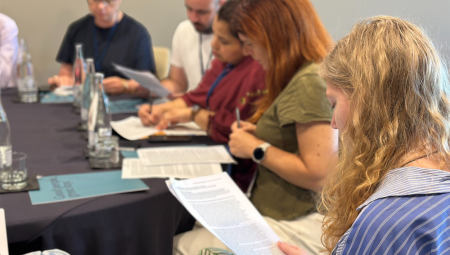
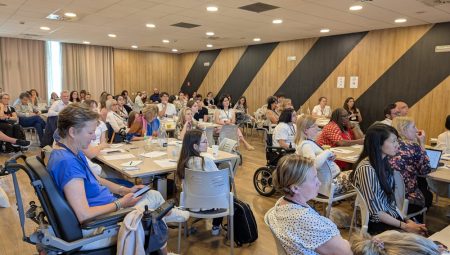
The 2026 Open Academy x ERDERA Schools in Barcelona brought patient advocates and early-career researchers together for practical training on medicines development, translational research and meaningful participation in rare disease research.
Sweden has adopted its first national strategy for rare health conditions, aiming to improve coordination, equity and access to care between 2026 and 2030.
From 25–28 May in Barcelona, the EURORDIS-led Open Academy x ERDERA Schools will bring patient advocates and early-career researchers together for four days of rare disease training, exchange and peer learning.
Public involvement positively shapes research. By sharing their time and personal experiences with researchers, members of the public can influence what research takes place, how it’s carried out, and how the results are shared.