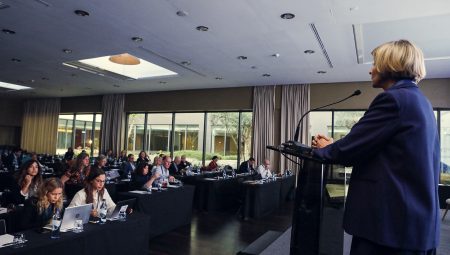

The 2026 Open Academy x ERDERA Schools, organised by EURORDIS–Rare Diseases Europe (EURORDIS) through its Open Academy and supported by the European Rare Diseases Research Alliance (ERDERA), took place in Barcelona from 25–28 May, bringing patient advocates and early-career researchers together for intensive training in rare disease medicines research, scientific innovation and translational research.
This second edition under the ERDERA partnership continued to connect EURORDIS’ long-standing work in patient advocate training with ERDERA’s wider objective of building shared capability across the rare disease research ecosystem.
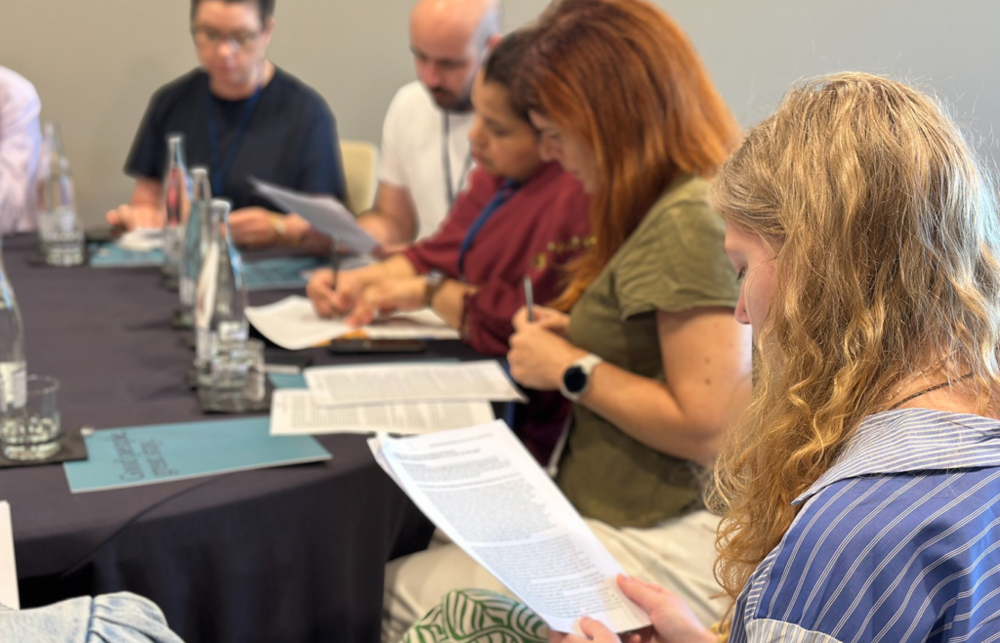
Over four days, participants followed a blended learning pathway that combined previous e-learning and webinars with in-person sessions, research visits, networking and exchange with faculty and EURORDIS staff.
The format was designed to help advocates and researchers work across disciplines, understand each other’s roles and strengthen the practical skills needed to take part in research as informed partners.
Two tracks with a shared focus on participation
The 2026 edition brought together two complementary learning tracks: the School on Medicines Research & Development and the School on Scientific Innovation & Translational Research. Participants followed track-specific sessions while also joining common activities focused on patient engagement, leadership and shared learning across the two groups.
The School on Medicines Research & Development focused on how medicines are developed, assessed and brought through regulatory and access pathways.
It shared leadership in patient advocacy, digital health tools, compassionate use and regulatory engagement, alongside interactive work on ethics committee review and patient-centred clinical development.
The School on Scientific Innovation & Translational Research explored how scientific discoveries can move towards patient impact, with sessions on genomic data ethics, registries, patient-generated data, translational research processes, ethics in genome editing, the evolution of animal research practices and best practices in patient engagement.
Research visits connected training to practice
The Barcelona programme also linked classroom learning to research and care settings. Programme material identified a visit to Hospital Sant Joan de Déu as a highlight for the Medicines Research & Development School, offering participants insight into paediatric research and clinical practice.
For the Scientific Innovation & Translational Research School, programme material highlighted a visit to the Centro Nacional de Análisis Genómico (CNAG), connecting discussions on genomics, data and translational research with a research environment where large-scale genomic analysis is put into practice.
From Barcelona to the Open Academy alumni network
Through the EURORDIS Open Academy, graduates join an alumni network that offers ongoing support, resources, networking, volunteering and further training opportunities.
For ERDERA, this continued connection is part of a broader capacity-building effort. Training, mentoring and shared learning help make rare disease research more inclusive and more robust, particularly in fields where small populations, complex evidence needs and cross-border collaboration make patient involvement essential.
With ERDERA support, the 2026 Schools offered 80 fully funded places in Barcelona. Funding covered course fees and meals during training hours. For patient advocates, funding also covered three nights’ accommodation, including a registered carer where needed.
For future editions, prospective applicants should follow the Open Academy x ERDERA Schools page and the EURORDIS Open Academy channels. The Open Academy announcement also advised interested applicants to subscribe to the Open Academy and EURORDIS newsletters so they can receive application information when calls open.
The call for applications for the next edition of the Open Academy x ERDERA Schools will open on 1 September.
Photograph © EURORDIS – Rare Disease Europe