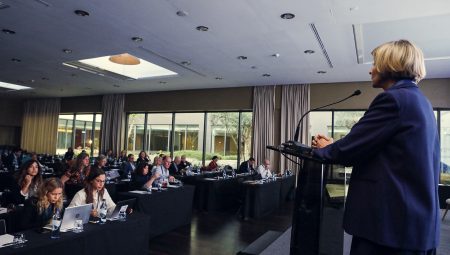
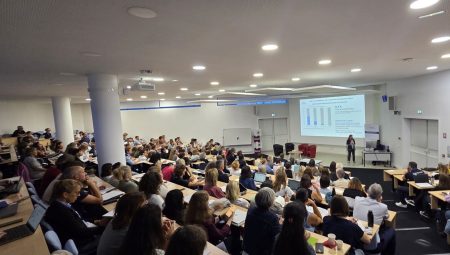
ERDERA marked the close of its second year with an Open Session on ultra-rare diseases, bringing together European, regulatory and scientific perspectives on how innovation can reach patients.
The assessment compares diagnosis, treatment access and national governance across 16 countries, examining gaps in rare disease support throughout the life course.
The editorial examines how shared frameworks, data standards, infrastructure and governance can help stakeholders address common barriers in rare disease research and medicine development.
On 13 November 2026 in Dublin, Ireland, this event will explore how research, innovation, patient partnership and EU policy can improve rare disease care and strengthen Europe’s life sciences ecosystem.
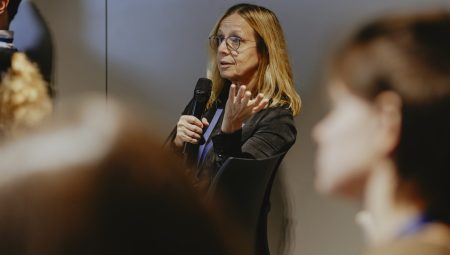
Ana Rath, Data Services Co-Lead in ERDERA, explains how the consortium is helping researchers and data holders make rare disease data more findable, interoperable and reusable while protecting privacy and keeping data holders in control.
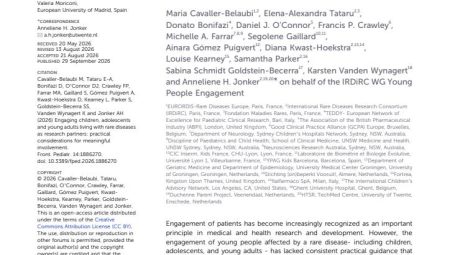
An International Rare Diseases Research Consortium (IRDiRC) working group developed practical guidance and a checklist for involving young people meaningfully in rare disease research.
The voluntary data submission framework allows developers to share data generated using New Approach Methodologies outside marketing authorisation applications and receive tailored, non-binding feedback from European regulatory experts.
ERDERA contributed to the first Journée nationale FrBioNet, bringing a European rare disease perspective to discussions with the French biobanking community.
ERDERA will return to the World Orphan Drug Congress Europe with a booth and an interactive pre-conference workshop examining where artificial intelligence can support rare disease research and therapeutic development, and where human expertise remains essential.