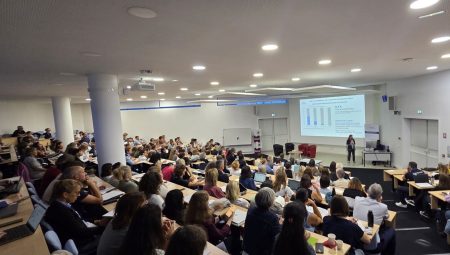

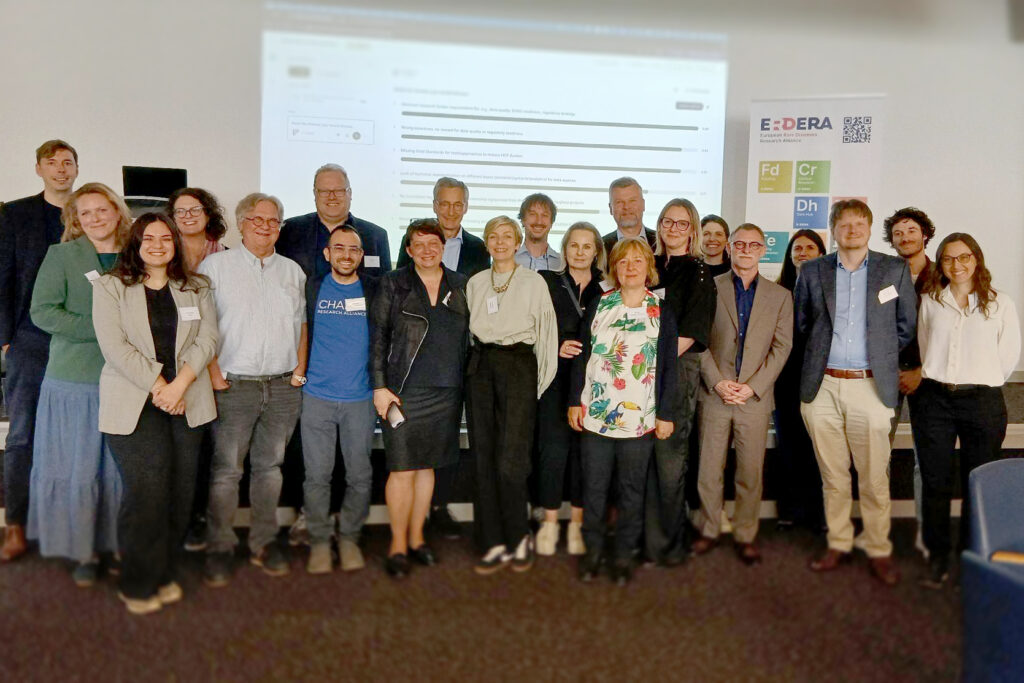
The first ERDERA Policy Think Tank workshop took place on 7 May in Paris, convening members of the Think Tank and around 20 invited experts from across Europe to discuss how registry data can be better leveraged for rare disease research and policy.
The meeting brought together representatives from the European Commission, European Reference Networks (ERNs), research infrastructures, healthcare providers and patient organisations under the umbrella of the European Rare Diseases Research Alliance (ERDERA).
From discussion to tangible policy action
Opening the workshop, ERDERA Coordinator Daria Julkowska outlined ERDERA’s overarching ambition to accelerate progress in rare disease research through coordination and alignment at European level. The Policy Think Tank was presented as a practical instrument to translate expertise into action‑oriented policy recommendations, with an explicit focus on impact, efficiency and speed rather than exploratory debate.
Participants repeatedly pointed to a common challenge: despite the availability of extensive registry data, access, quality, deployment and standardisation are still inconsistent. Improving these areas is critical for producing reliable evidence, supporting regulatory and policy decisions, and delivering better outcomes for people living with a rare disease.
They also emphasised that rare disease registries operate within a broader health data ecosystem, and that policy alignment is critical to ensure interoperability, trust and responsible data reuse at European scale.
Rather than calling for new systems, the workshop highlighted the importance of better connecting and using existing European infrastructures.
Feeding into ERDERA governance
The workshop was structured around thematic breakout discussions designed to identify concrete gaps and priorities from a policy perspective.
The resulting report and recommendations will be submitted to the ERDERA Governing Board for endorsement, providing a structured input into ERDERA’s ongoing policy engagement and coordination activities.
By aligning on standards, governance and incentives, the workshop marks a step towards a more coordinated policy environment for the use of registry data in rare disease research.