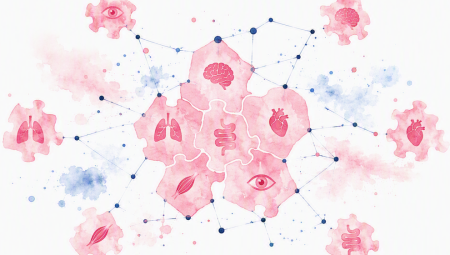
EU rare disease action plan- European Added Value Assessment

1:1
This study investigates possible measures that could be taken at EU level to address these challenges. It finds significant European added value in harmonising coordination and access across the 27 Member States, mainly in terms of improved diagnostic tools and availability of medical treatment, better health outcomes, particularly lower infant mortality, and improved well-being of family members and caregivers.

Rare diseases collectively affect an estimated 27-36 million people in the European Union and impose a substantial and persistent burden across health, social and economic domains. Despite sustained EU engagement over two decades, patients continue to face challenges and there are persistent disparities between and within Member States in tackling rare diseases. This European Added Value Assessment examines the case for a more coherent EU-level framework for rare diseases, focusing on areas where coordination, scale and knowledge aggregation can add value while respecting the limits of Union competence in public health. The study assesses existing EU instruments and identifies areas for further EU action across the rare disease care pathway, including diagnosis, access to therapies, research and innovation, data sharing, patient and family support, and governance. Overall, the findings point to the benefits of a more strategically aligned EU approach to consolidating existing initiatives, reducing fragmentation, strengthening cross-border coordination and enhancing equity, efficiency and sustainability in rare disease policy across the Union.

Read the executive summary here.
Year of publication

2026

Source

EPRS | European Parliamentary Research Service

Author

Dates, Mariana; De Weert , Matis; Kazlauskaitė, Deimantė; Voarino, Lugh

You might also be interested in

On 3–4 June, EURORDIS–Rare Diseases Europe and Orphanet convened the rare disease community at ECRD 2026 in Prague around a shared call for coordinated European action, including the forthcoming European Blueprint for Rare Diseases.
30 million people in Europe live with a rare disease. Yet most still lack a diagnosis or treatment. So what is ERDERA doing about it?
The 2026 Open Academy x ERDERA Schools in Barcelona brought patient advocates and early-career researchers together for practical training on medicines development, translational research and meaningful participation in rare disease research.
The European Rare Diseases Research Alliance (ERDERA), together with the European Reference Networks (ERNs), provides the missing operational layer required to implement the European Biotech Act across the full innovation pathway —from discovery to patient access.