Two expert‑led facilitation windows linked to EJPRD‑developed MOOCs, give learners the opportunity to engage directly with specialists in health data governance and translational research for rare diseases.
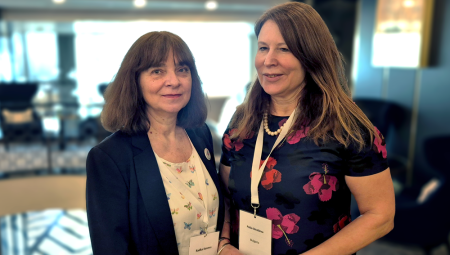
ERDERA interviews Prof. Radka Kaneva and Dr Petia Stratieva, two leading members of Bulgaria’s National Mirror Group (NMG), to explore how the country is working to align its rare disease ecosystem with European developments.
The two-day event will focus on translating research and policy initiatives into tangible benefits for Rare Disease patients through better prevention, diagnosis, and treatment.
A legislative own initiative file in the Parliament’s new public health committee sets out what an EU “rare disease action framework” could look like — and why it could change how Europe measures progress for patients.
European Parliament research service assessment, published in February 2026, identifies 31 measures that could form an EU rare disease action plan, highlighting European Reference Networks and cross-border collaboration including ERDERA as drivers of EU added value.
Gathering key stakeholders, including EU policymakers, industry leaders, patient advocacy groups, researchers, and healthcare providers. Its goal is to identify concrete actions and incentives to enhance innovation across the rare disease ecosystem.
Using Morocco as a case study, this paper shows how underrepresented countries contribute unique genetic insights to rare disease research and why their integration into initiatives like ERDREA is essential for both scientific progress and equity.