Leveraging precompetitive collaborations for rare diseases

Yes
The editorial examines how shared frameworks, data standards, infrastructure and governance can help stakeholders address common barriers in rare disease research and medicine development.

This editorial, presented by the International Rare Diseases Research Consortium (IRDiRC), describes how precompetitive collaboration can address shared challenges across the rare disease research and development lifecycle, including diagnosis, clinical development, evidence generation and access to medicines.

It presents systems frameworks, shared platforms and disease-specific collaborations as approaches for developing non-proprietary solutions. Examples include the Critical Path Institute (C-Path),
Rare Care Comprehensive Centre, Rare Disease Moonshot, Together for Rare Diseases, International Rare Diseases Research Consortium (IRDiRC), ACCELERATE and the Innovative Health Initiative (IHI).

The authors identify several principles for effective collaboration: defining patient-centred objectives, bringing together complementary expertise, establishing common terminology and governance, building trust through neutral conveners, remaining flexible, and using existing tools and frameworks. The editorial calls for more sustainable collaboration structures aligned with patients’ needs to support rare disease research, diagnostics and therapeutic development.


publication

Year of publication

2026

ISBN

1359-6446

Source

Drug Discovery Today

Author

Vinciane Pirard; Daniel J. O’Connor; Gareth Baynam; Lindsey Murray; Magda Chlebus; Nicolas Creff; Maria Cavaller-Bellaubi; Samantha Parker; Alexandra Tataru

You might also be interested in

This 2025 country report outlines the policy, research, care and support landscape for rare diseases in France.
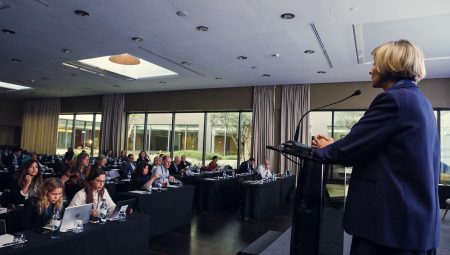
ERDERA’s third General Assembly brought partners together in Coimbra to review its second year, strengthen connections across the partnership and align priorities for a more integrated and delivery-focused third year.
ERDERA marked the close of its second year with an Open Session on ultra-rare diseases, bringing together European, regulatory and scientific perspectives on how innovation can reach patients.
The assessment compares diagnosis, treatment access and national governance across 16 countries, examining gaps in rare disease support throughout the life course.