The assessment compares diagnosis, treatment access and national governance across 16 countries, examining gaps in rare disease support throughout the life course.
The editorial examines how shared frameworks, data standards, infrastructure and governance can help stakeholders address common barriers in rare disease research and medicine development.
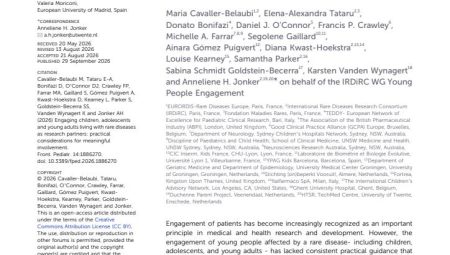
An International Rare Diseases Research Consortium (IRDiRC) working group developed practical guidance and a checklist for involving young people meaningfully in rare disease research.
Members of the International Rare Diseases Research Consortium examine how pandemic preparedness models could inform a coordinated global approach to rare disease diagnosis, research, care and therapeutic development.
Bringing clinicians, researchers, patient representatives and families together, the event examined how shorter diagnostic pathways depend not only on better tests, but on shared expertise, structured phenotyping and patient-centred support.
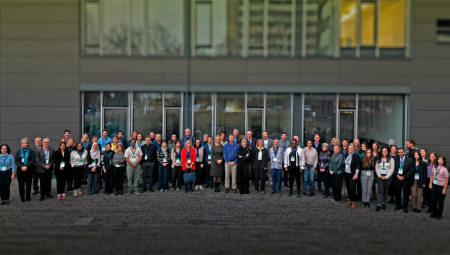
Taking place at a pivotal moment – with the European Rare Disease Plan expected to move forward significantly during 2026 – the meetings brought together National Mirror Group (NMG) representatives from Europe and beyond, alongside European Commission stakeholders, IRDiRC and international partners.
Rare disease researchers, clinicians, patient advocates and data experts are invited to help shape four new IRDiRC activities linked to the new IRDiRC Roadmap, with applications closing on 20 February 2026.
From shared standards to local impact, the 2nd Clinical Research Networks Conference agreed concrete next steps for interoperable clinical research networks worldwide
With over 300 million people affected by rare diseases, timely access to effective therapies is critical. Despite strong alignment in regulatory expectations, patients in many regions face years of delays highlighting the need for improved international coordination.