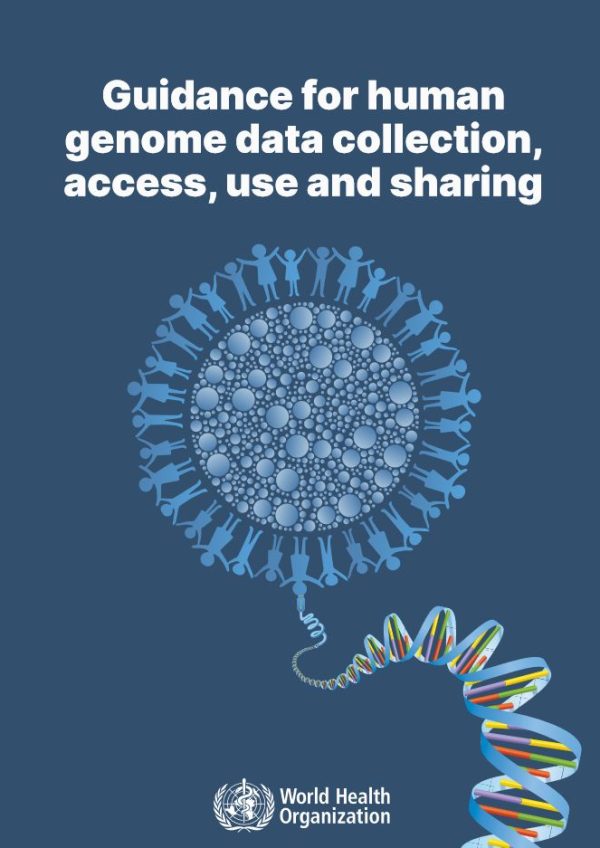
Guidance for human genome data collection, access, use and sharing

1:1

The ethical, legal, and equitable sharing of human genomic data is critical to advancing global health research and ensuring fair access to the benefits of genomics. The WHO’s new document outlines a comprehensive set of globally applicable principles designed to guide stakeholders in the responsible collection, use, and sharing of human genome data.

This document serves as a key resource to navigate complex issues surrounding data governance, with the aim of fostering transparency, promoting equity, and safeguarding individual and collective rights.

These principles are intended to support the implementation of best practices across diverse settings, thereby enhancing the global capacity for genomic research and its translation into health benefits for all.
Year of publication

2024

ISBN

9789240102149

Source

World Health Organization

Author

Research for Health (RFH), Technical Advisory Group on Genomics (TAG-G)

You might also be interested in

September 25 @ 1:00 pm - 2:00 pm
Intended for researchers, clinicians, data managers, ERN and National Mirror Group members involved in or interested in ERDERA diagnostic research.
By connecting national priorities with European initiatives, NMGs support stronger coordination, knowledge exchange and alignment across the rare disease ecosystem.
The multicentre observational study analysed 661 assessments from 219 people with SCA27B to examine disease progression, clinical outcome metrics and demographic or genetic modifiers.
At the “Advancement of Treatments for Rare Diseases” conference in Nicosia, European and national policymakers joined clinicians, researchers, regulators, industry representatives and patient advocates to examine how stronger coordination can translate scientific progress into better prevention, diagnosis, treatment and access to care for people living with rare diseases.