
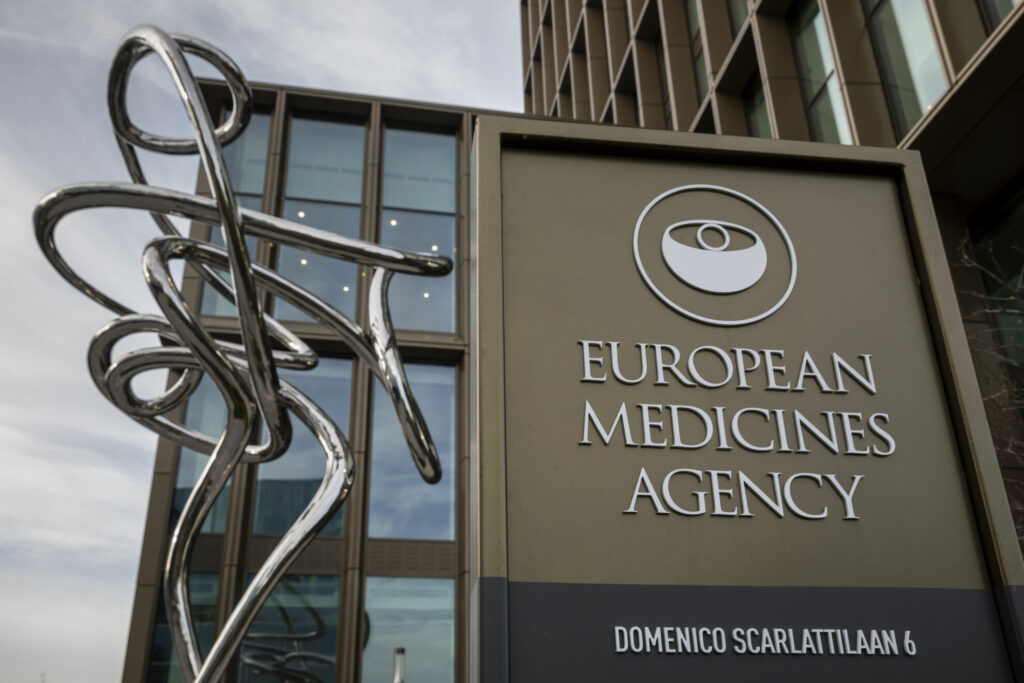
The European Medicines Agency (EMA) and the Heads of Medicines Agencies (HMA) have jointly issued a clear warning about unregulated Advanced Therapy Medicinal Products (ATMPs). While these therapies—based on genes, tissues or cells—offer genuine promise, its limited regulation procedures raise serious health and safety concerns. Authorities urge patients to confirm that any ATMP is approved through official channels to avoid potential risks.
ATMPs are tightly controlled in the European Union to ensure they are safe, effective, and manufactured under strict standards. According to this new statement, however, some clinics and companies have bypassed these requirements, promoting unapproved therapies and exploiting patients’ vulnerabilities.
This issue is particularly concerning for those affected by rare diseases, a group that comprises between 6% and 8% of the EU population—translating to approximately 30 to 40 million Europeans. These patients often face prolonged diagnostic journeys, limited treatment options, and significant psychosocial burdens, making them especially susceptible to unproven treatments. Regulators stress that only ATMPs authorised by the EMA, cleared by the respective national authorities, or studied within approved clinical trials should be used.

“With limited therapeutic options available to families affected by rare diseases, there will always be situations where, despite the EU’s strict regulatory standards, some risks are considered,” says David Morrow, Senior Scientific Programme Manager at EATRIS and leader of ERDERA’s Regulatory Support Service for ATMPs.
“This is why clear, formal announcements like this from EMA are crucial for our community and should always be strongly reinforced. By providing current, practical guidance through our dedicated regulatory support group, ERDERA helps reduce risks for both developers and patients, ensuring regulatory compliance from bench to bedside.”
ERDERA’s commitment to address gaps in rare disease therapies
Operating under ERDERA’s Expertise Hub, the Regulatory Support Unit brings together professionals from industry, academia, non-profit organisations, and patient advocacy groups. This specialised team provides expert guidance on navigating complex legal requirements, conducting rigorous clinical assessments, and upholding ethical standards— critical steps for any cutting-edge therapy moving toward approval.
Furthermore, ERDERA’s ATMPs Accelerator aims to advance safe and effective therapies for people living with a rare disease by bridging existing gaps in the development of innovative technologies.
These two components are especially relevant to the rare disease community, where patient numbers are small, yet data demands are substantial and intricate. By integrating strong clinical trial design with real-world data, ERDERA ensures that lifesaving therapies are developed, assessed, and delivered responsibly—driving genuine advancements without compromising safety or public trust.
Read the EMA/HMA joint statement here.