1:1

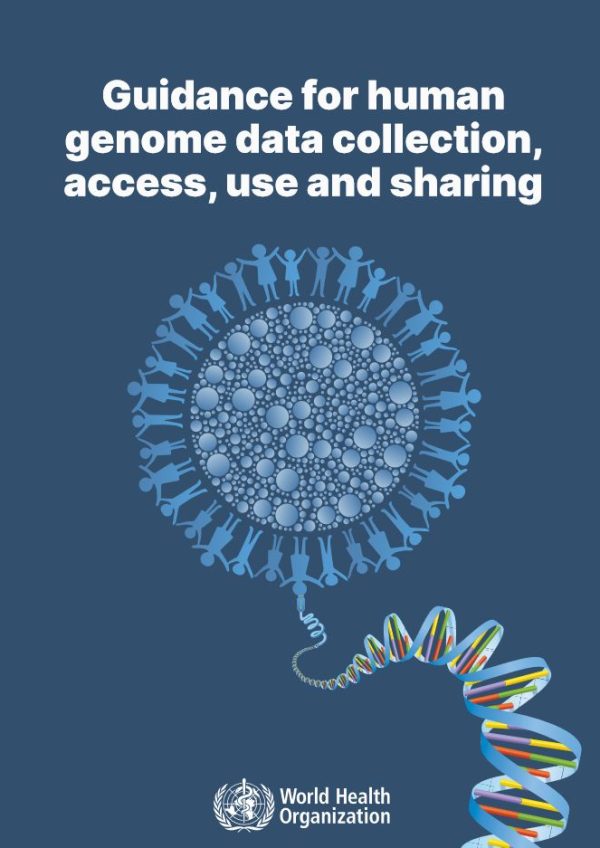
The ethical, legal, and equitable sharing of human genomic data is critical to advancing global health research and ensuring fair access to the benefits of genomics. The WHO’s new document outlines a comprehensive set of globally applicable principles designed to guide stakeholders in the responsible collection, use, and sharing of human genome data.

This document serves as a key resource to navigate complex issues surrounding data governance, with the aim of fostering transparency, promoting equity, and safeguarding individual and collective rights.

These principles are intended to support the implementation of best practices across diverse settings, thereby enhancing the global capacity for genomic research and its translation into health benefits for all.

Year of publication

2024

ISBN

9789240102149

Source

World Health Organization

Author

Research for Health (RFH), Technical Advisory Group on Genomics (TAG-G)

You might also be interested in

The session will introduce the workstream’s activities in data sharing, systematic diagnostic reanalysis, advanced diagnostic pipelines, and genomic and multi-omics innovation.
This initiative is also highly relevant from a rare diseases perspective, as paediatric cancers are rare conditions where small patient populations make robust non‑clinical proof‑of‑concept data essential for responsible and ethical trial initiation.
For rare diseases, where research often relies on limited animal models and small development teams, the regulatory acceptance of virtual control groups could help streamline early non‑clinical studies while maintaining a strong focus on patient safety.
Bringing clinicians, researchers, patient representatives and families together, the event examined how shorter diagnostic pathways depend not only on better tests, but on shared expertise, structured phenotyping and patient-centred support.