
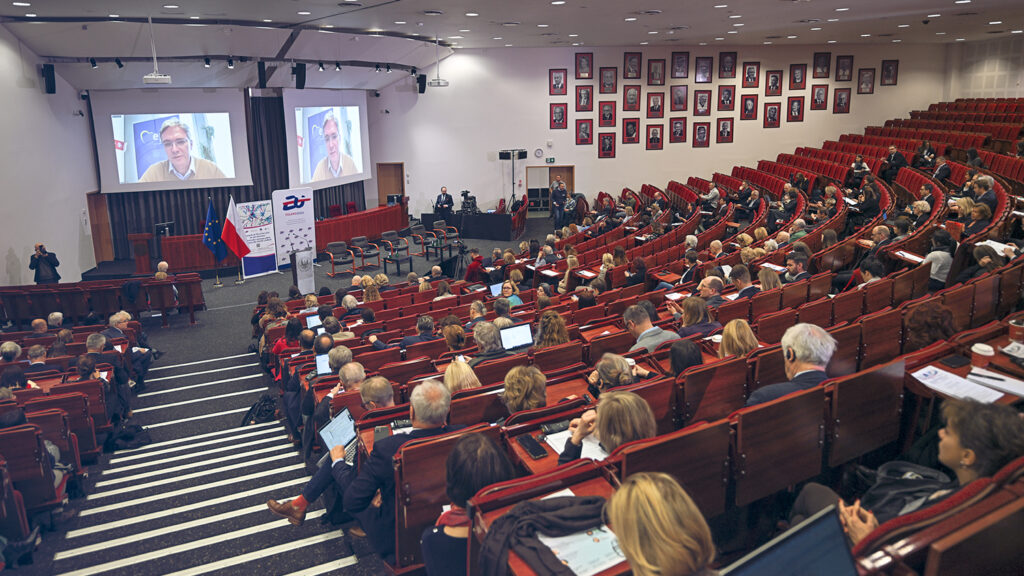
The two-day conference at the Medical University of Warsaw, held under the auspices of the Polish Presidency of the EU Council, concluded with a strong appeal for more integrated research, faster diagnostics, and closer cooperation between national and European policymakers.
While the opening day—titled “Towards an EU Action Plan on Rare Diseases”—emphasised the pressing need for strategic planning and better integration of the European Reference Networks (ERNs) across EU member states as well as Ukraine and Norway, the second day shifted towards practical solutions that can immediately benefit patient care. Under the banner “Bridging Research and Care for Patients,” discussions delved into targeted newborn screening programs, advanced clinical trials, and innovative translational research platforms.
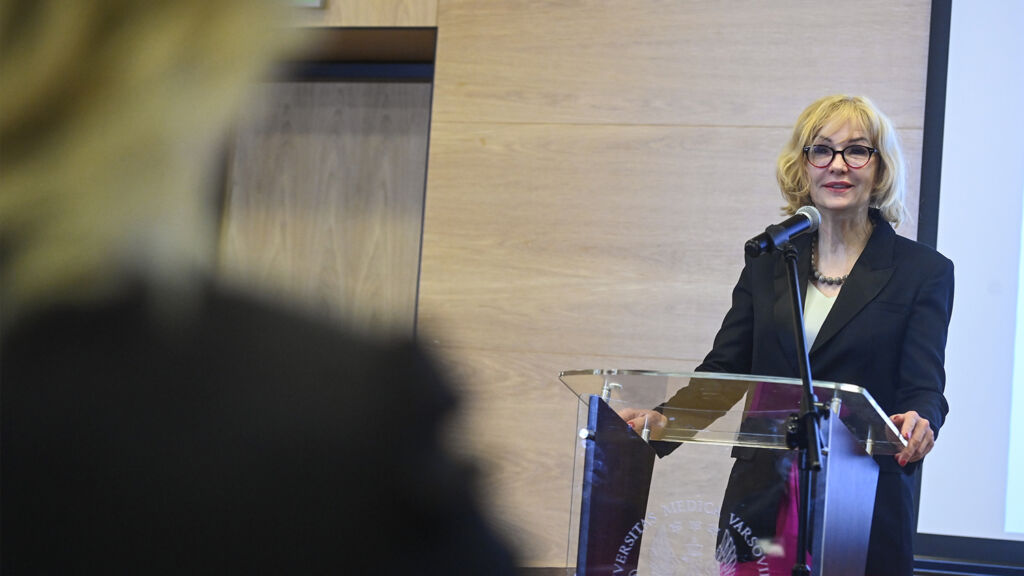
Speaking at the event’s opening session, Prof. Urszula Demkow, Polish Secretary of State at the Ministry of Health, noted that early detection is critical in altering the course of these debilitating conditions. “Strategic newborn screening initiatives not only save lives but lay the groundwork for personalised treatments and smarter healthcare systems across Europe,” she said.
Representatives from patient organisations agreed that time is of the essence. They advocated for robust data platforms and research partnerships, which they say can significantly shorten the wait for a final diagnosis—especially for conditions that do not yet have clear clinical guidelines.
Before resuming the session in the afternoon, a large mural dedicated to rare diseases was unveiled at the Medical University of Warsaw. Participants were invited to leave their handprints as a symbol of commitment and solidarity with the rare disease community.
Later in the day, the foundation for Poland’s National Mirror Group was laid. These groups act as local counterparts to European initiatives like ERDERA, aligning national actions with EU-wide strategies to accelerate the translation of research into real-world benefits for patients.
Anton Ussi, Chief Operating Officer at EATRIS and one of the contributors to ERDERA, emphasised the need for stronger translational research ecosystems. “To truly bridge the gap between research and care, we need infrastructures that support researchers all the way to clinical validation,” he stated, highlighting how ERDERA is structured to deliver on this vision.
The day also featured key contributions from research leaders participating in ERDERA. Professor Holm Graessner, Director of the Rare Disease Centre in Tübingen and a leading voice in ERDERA in-house research, highlighted the importance of moving beyond genetic testing. “The plan is to establish an ecosystem for diagnostics built around three main components: data sharing, reanalysis, and scalability. Scalability is now particularly important for ERDERA, as we are leveraging our software developments to expand the system so that more countries, more patients, and more disease groups can benefit from it,” he explained.
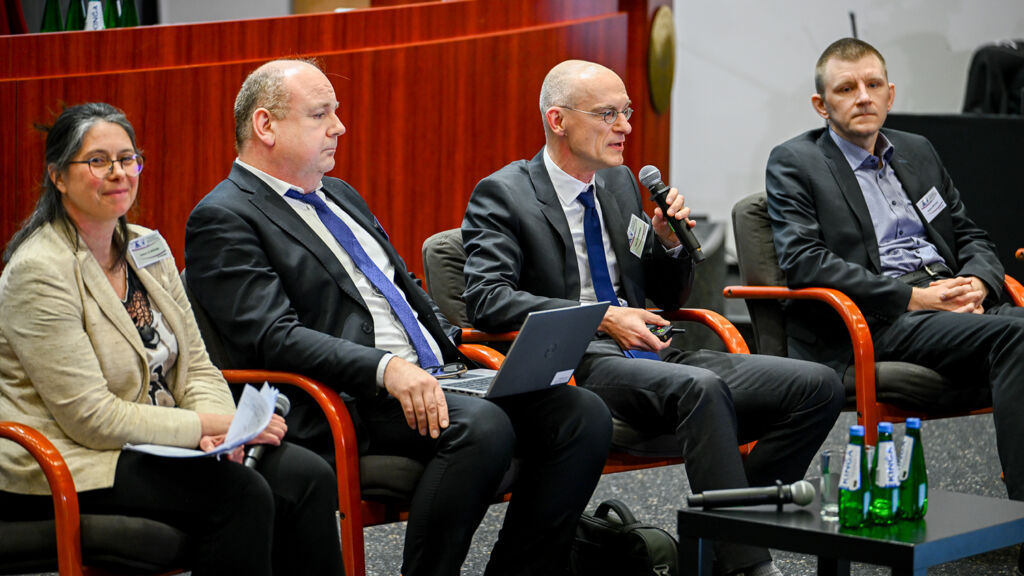
In a roundtable session chaired by Tomasz Grybek, Member of the EURORDIS Board of Directors, speakers explored how better data management can drive faster diagnoses and more effective treatments for rare disease patients. Proffessor Mar Manu Pereira, Head of the Research Laboratory in Rare Anemia Disorders at Vall d’Hebron Institute of Research (VHIR) and Scientific Director of ERN-EuroBloodNet, stressed the need to build high-quality datasets directly within clinical environments. “As clinicians, we need high-quality, structured data to achieve interoperability. This is even more crucial in the case of rare diseases, where data is limited,” she noted.
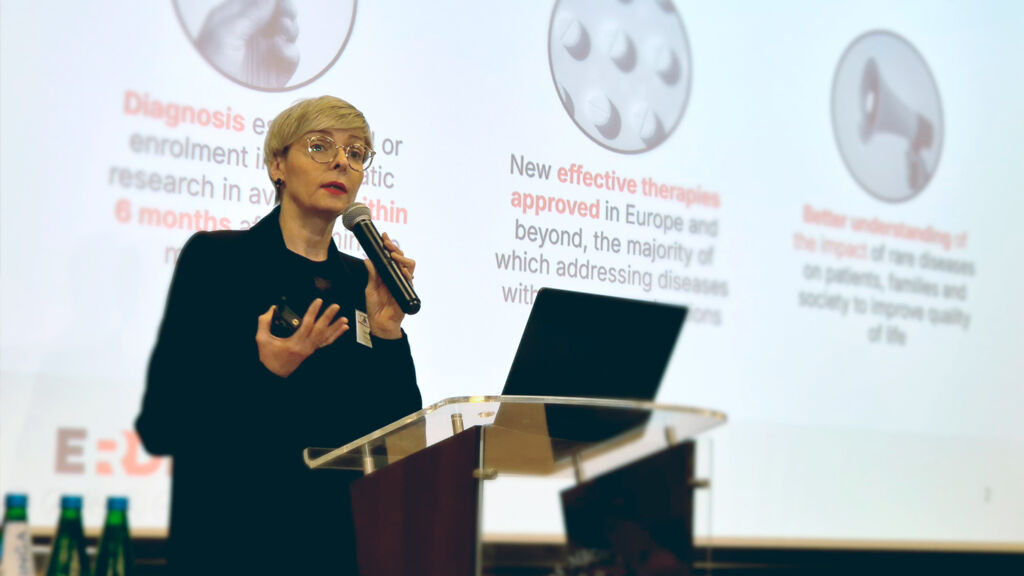
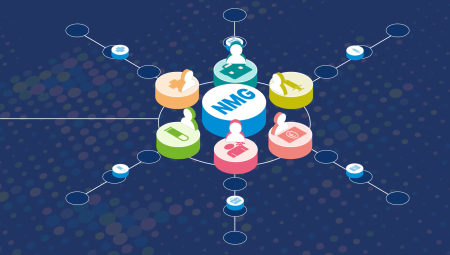
Dr. Daria Julkowska, Coordinator of ERDERA and a longstanding leader in rare disease research, highlighted the critical role of building sustainable partnerships across Europe. She particularly emphasised the importance of National Mirror Groups (NMGs), which serve as vital bridges between national realities and European strategies.
“ERDERA is about creating a true rare disease ecosystem. Through International Capacity Alignment, National Mirror Groups channel local needs, realities, and good practices, enabling more focused interactions and knowledge sharing across European countries,” she explained. The conference also marked an important milestone with the formal setting up of the Polish National Mirror Group, a move seen as crucial for aligning national efforts with broader European priorities.
Addressing the critical role of EU funding in enabling projects like ERDERA, Hélène Le Borgne, Policy Officer from the European Commission’s Health Innovations and Ecosystems Unit (DG RTD), reiterated the European Union’s commitment to supporting rare disease research through programs like Horizon Europe. “Strategic partnerships like ERDERA are essential to move from fragmented efforts to a truly unified European response,” Le Borgne explained.
The Warsaw conference thus closed with a clear message: Europe must work hand-in-hand across research, healthcare, and policy spheres if it wants to change the trajectory for rare disease patients.