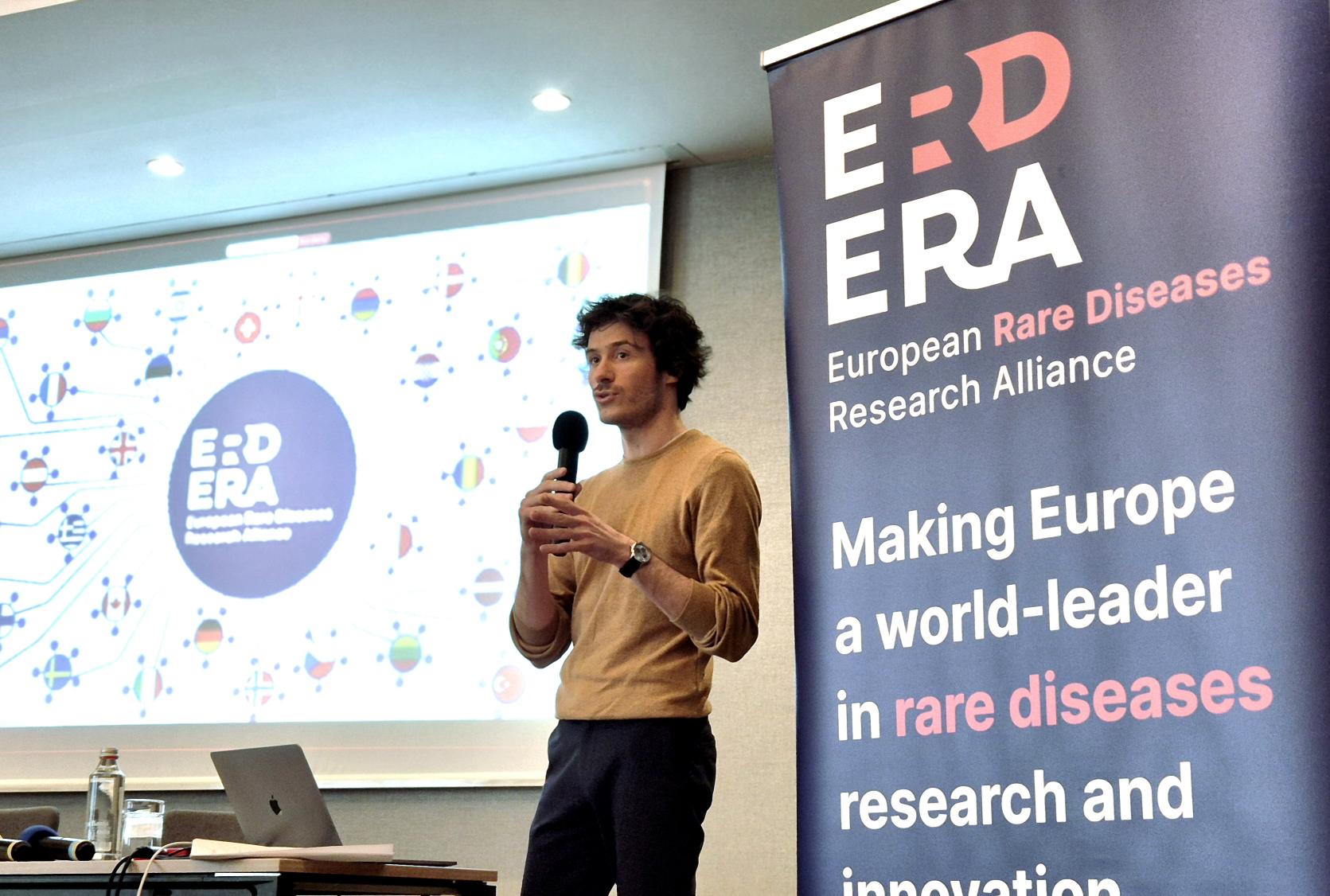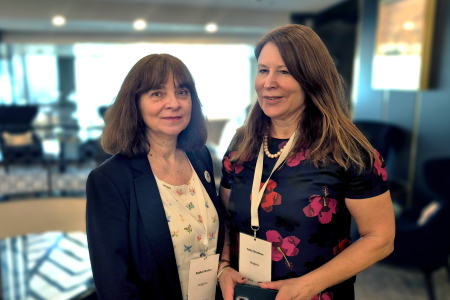

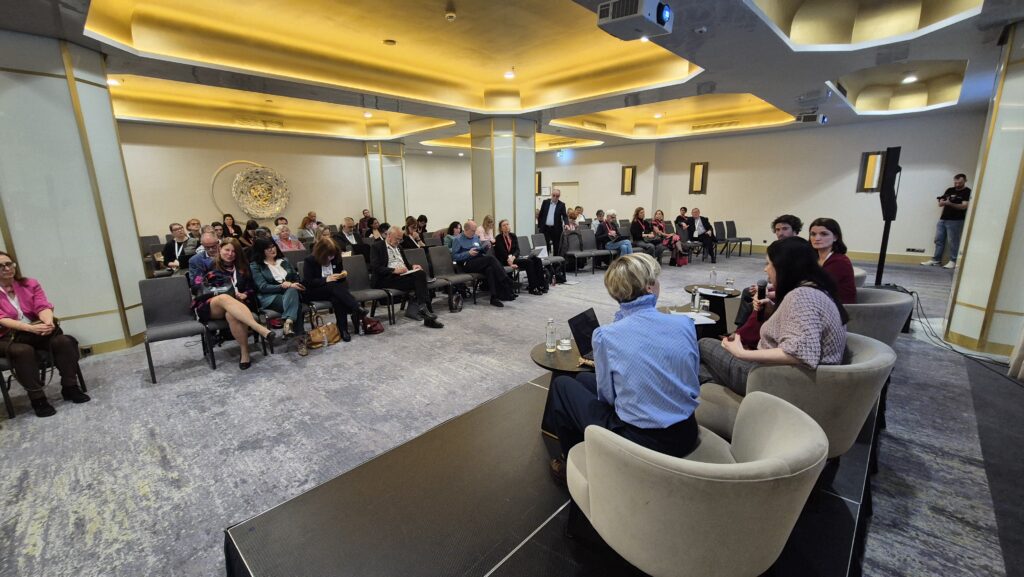
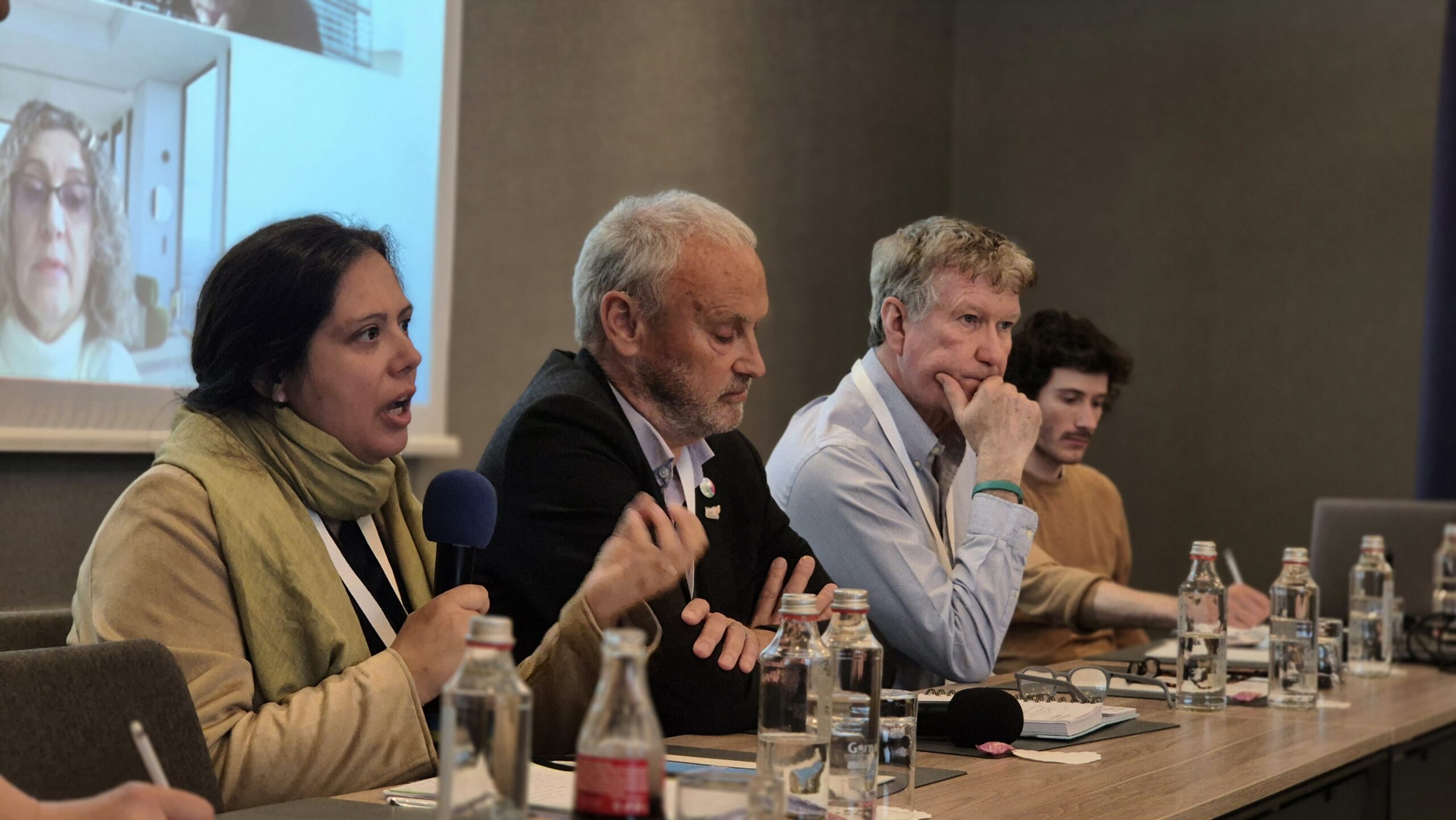
With Europe preparing for major developments in the European Rare Disease Plan, this week the European Rare Diseases Research Alliance (ERDERA) gathered national representatives, international partners and the International Rare Diseases Research Consortium (IRDiRC) in Sofia, Bulgaria, to reinforce collective alignment and empower research across all ERDERA participants, including Underrepresented Countries (UCs).
Attendees included National Mirror Group (NMG) delegates from across Europe, as well Morocco, Australia, New Zealand and Türkiye. They were joined by European Commission stakeholders and IRDiRC.
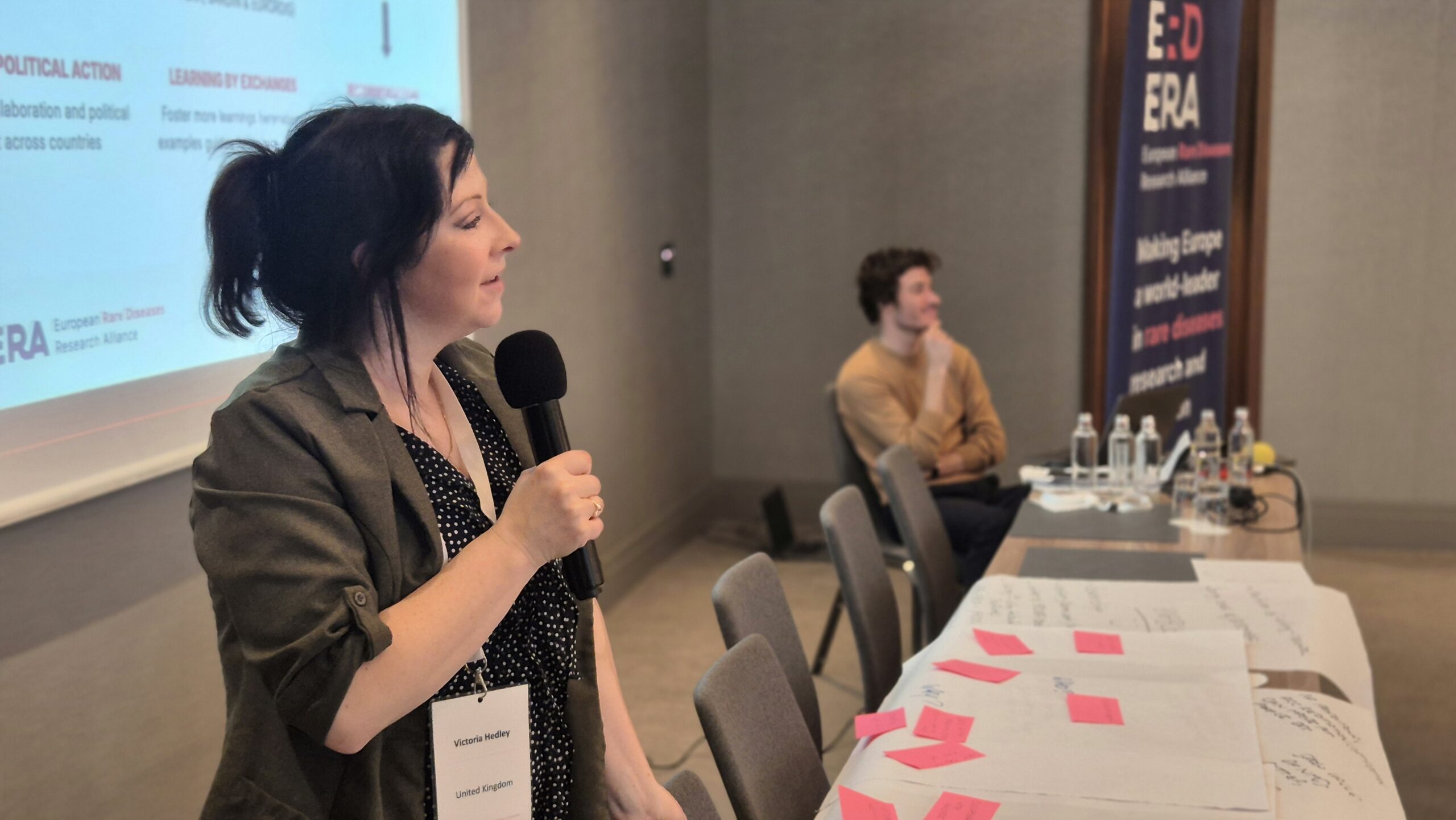
“National Mirror Groups are the vital bridge between ERDERA’s international ambitions and the specific research landscapes of each participating country”, said Victoria Hedley, one of the coordinators behind national alignment in ERDERA. “By aligning our national approaches and identifying good practices, we can really help to drive improvements in all our countries, ultimately resulting in better research and hopefully a brighter future for people living with rare disease across Europe and beyond.”
Strengthening national–European coordination
Sessions outlined ERDERA’s multi-year planning and the added value NMGs bring to national ecosystems, from better ministerial coordination to a clearer interface with European clinical research.
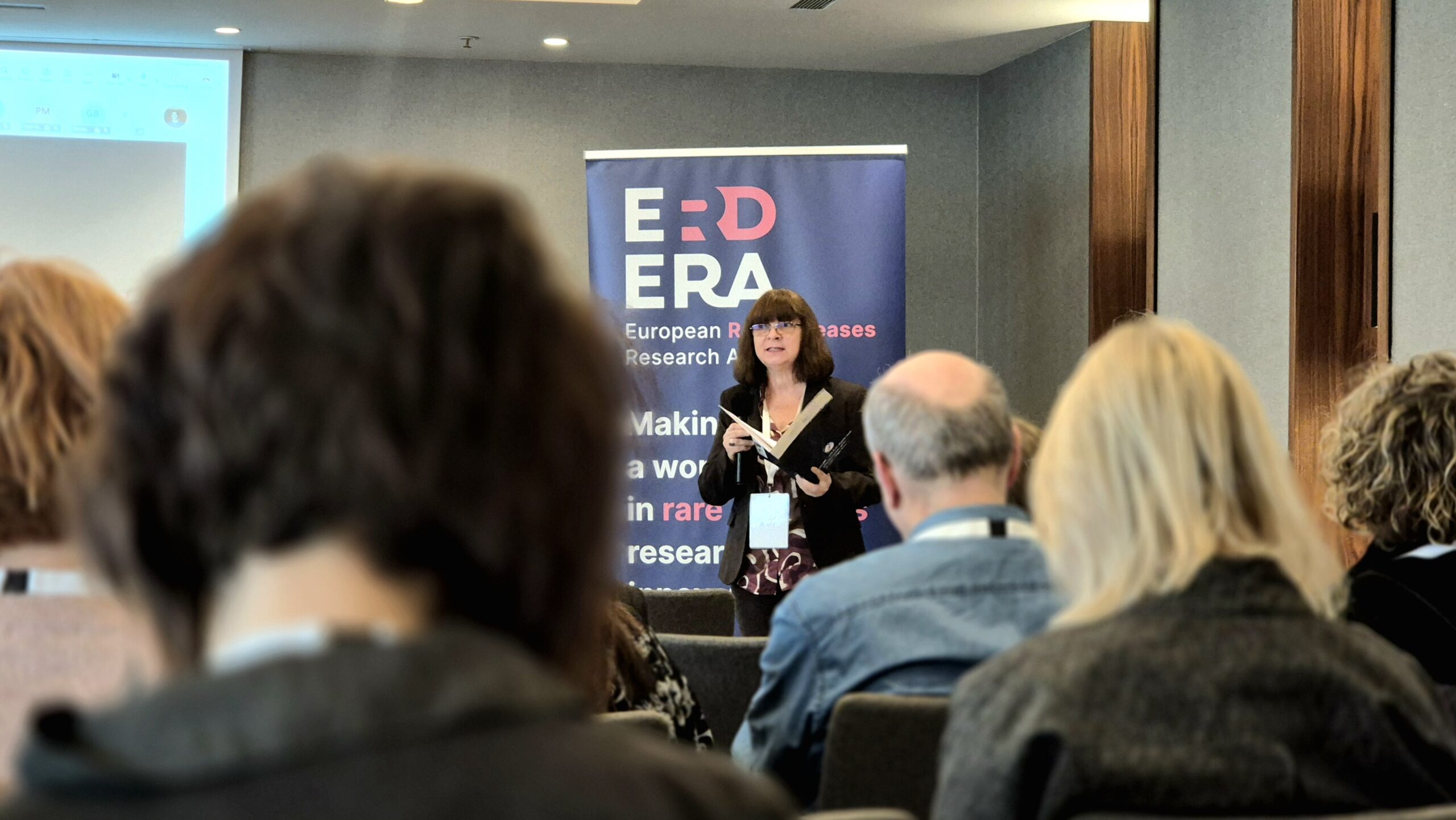
Professor Radka Kaneva, who opened the meeting as one of the representatives of the host country, underlined what is at stake for countries such as Bulgaria: “For us, National Mirror Groups are not just another committee. They can help translate everything happening at European level to the national landscape— allowing that our researchers, clinicians and patient advocates can actually plug into European initiatives at the right time and with the right partners.”
Empowering underrepresented countries
The gathering included a workshop dedicated to Underrepresented Countries (UCs), focusing on strengthening participation in research and innovation across widening and low participation countries.
Participants examined the development of formal Guidelines for UC inclusion and the essential role of pre-award offices in helping these communities enter and remain active within international ecosystems.
Gonçalo Teixeira, ERDERA Lead for Underrepresented Countries, highlighted the necessity of structural support. “Translating discussions into action helps us identify specific measures through knowledge exchange”, he said. “By following these countries’ challenges and needs closely, we are helping build informed guidelines to improve their integration in the rare disease ecosystem.”
Building international synergies with IRDiRC
Scheduling the NAB meeting alongside IRDiRC’s membership meeting created space to explore international perspectives on NMGs and to identify synergies between ERDERA’s country‑level structures and IRDiRC’s global research missions.
IRDiRC also set out practical opportunities for NMGs to engage in its scientific goals and working groups, including areas that could directly influence diagnostics, trial design and the development of new therapies.
IRDiRC Chair David Pearce emphasised the mutual gains of closer cooperation: “When national bodies are aligned and able to speak with a coherent voice, it becomes much easier for IRDiRC to design studies, set priorities and share tools that truly reflect patients’ needs. Stronger coordination is not an abstract ideal – it is what will allow us to move promising research into real options for families, wherever they live.”
Anticipating progress in a future European Rare Disease Plan
As the European Rare Disease Plan takes shape, coordinated structures and the meaningful involvement of all national partners remain central to delivering progress for the 30 million Europeans living with a rare disease.
“In essence, the innovation of NMGs emanates from the rare disease space through its collaborative model” stated Christina Kyriakopoulou, Scientific officer at the European Commission DG Research and Innovation (RTD). “The multi-disciplinary angle of the composition of the NMGs is the essential element for success also in research. We cannot do it otherwise.”
“The real value of a NMG lies far beyond mapping needs or feeding indicators back to ERDERA. It is about giving each country a permanent, well-structured forum where national rare disease priorities are debated, aligned and acted upon”, said Clément Moreau, ERDERA NMG coordinator. “We are building something that must outlast any single programme — a self-sustaining, durable architecture that shows its added value, that would be able to connect research, care and policy at national level, making European collaboration genuinely effective.”