
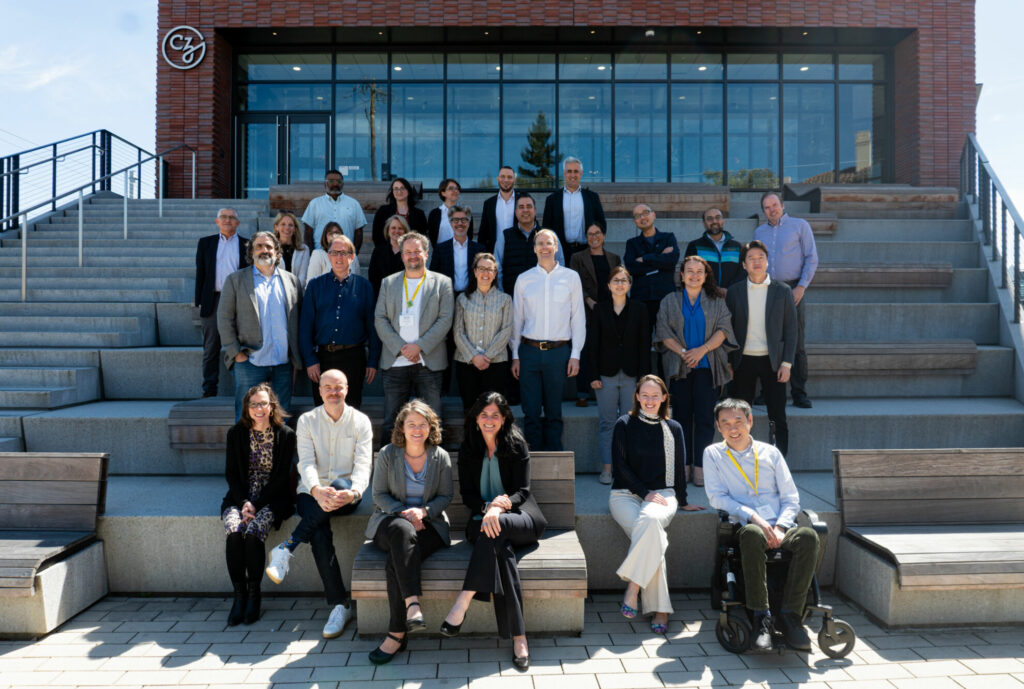
ERDERA coordination participated in the Chan Zuckerberg Initiative’s “Building a Roadmap to Systematically Characterize Rare Diseases” workshop, taking place March 24–26 at CZI Headquarters in Redwood City, California.
This convening brought together leaders from across academia, industry, and patient advocacy to co‑create a strategic framework for defining essential parameters of rare disease characterisation, refining assays and technologies, mapping shared biological mechanisms, and developing an actionable pilot programme.
ERDERA coordination was represented by Yanis Mimouni, ERDERA Assistant Coordinator, who contributed with the programmes perspective and expertise in fostering collaboration and driving progress towards scalable, cross‑organisation initiatives that advance and accelerate rare disease research.
The workshop was organised by the Chan Zuckerberg Initiative (CZI), a philanthropic organisation founded by Mark Zuckerberg and Priscilla Chan dedicated to addressing some of society’s most significant challenges, including disease eradication, educational improvement, and meeting the needs of local communities.