
New SOP to enhance transparency and quality of Real-World Data

ERDERA JTC2026

A new Standard Operating Procedure (SOP) titled “Validation, Publication, and Maintenance of Real-World Data Sources and Studies in the HMA-EMA RWD Catalogues” (SOP/TDA/3543) has been published by the European Medicines Agency (EMA). This SOP outlines the systematic approach adopted by the EMA for ensuring the accuracy, completeness, and transparency of data included in the HMA-EMA real-world data catalogues.

The SOP provides clear guidance for both EMA staff and catalogue users on the processes of data validation, publication, and ongoing maintenance. It ensures that submitted data sources and studies are not only relevant and non-duplicative, but also supported by comprehensive and standardised metadata.

Notably, this new procedure will help strengthen the robustness of the real-world evidence ecosystem, ultimately enhancing its credibility and accountability in regulatory decision-making. Learn more from the document.


News & Updates

You might also be interested in

European Parliament research service assessment, published in February 2026, identifies 31 measures that could form an EU rare disease action plan, highlighting European Reference Networks and cross-border collaboration including ERDERA as drivers of EU added value.
This study investigates possible measures that could be taken at EU level to address these challenges. It finds significant European added value in harmonising coordination and access across the 27 Member States, mainly in terms of improved diagnostic tools and availability of medical treatment, better health outcomes, particularly lower infant mortality, and improved well-being of family members and caregivers.
28 February, across Europe and beyond: one year into delivery, ERDERA is advancing towards shorten diagnostic journeys and improved therapies for people living with a rare disease.
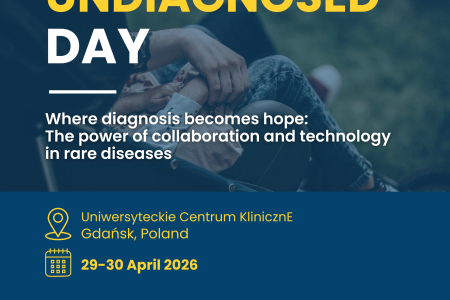
This meeting will focus on practical approaches to phenotyping and diagnosis in undiagnosed conditions, including how to define next steps when a diagnosis remains uncertain, and how to strengthen pathways and collaboration around undiagnosed care.