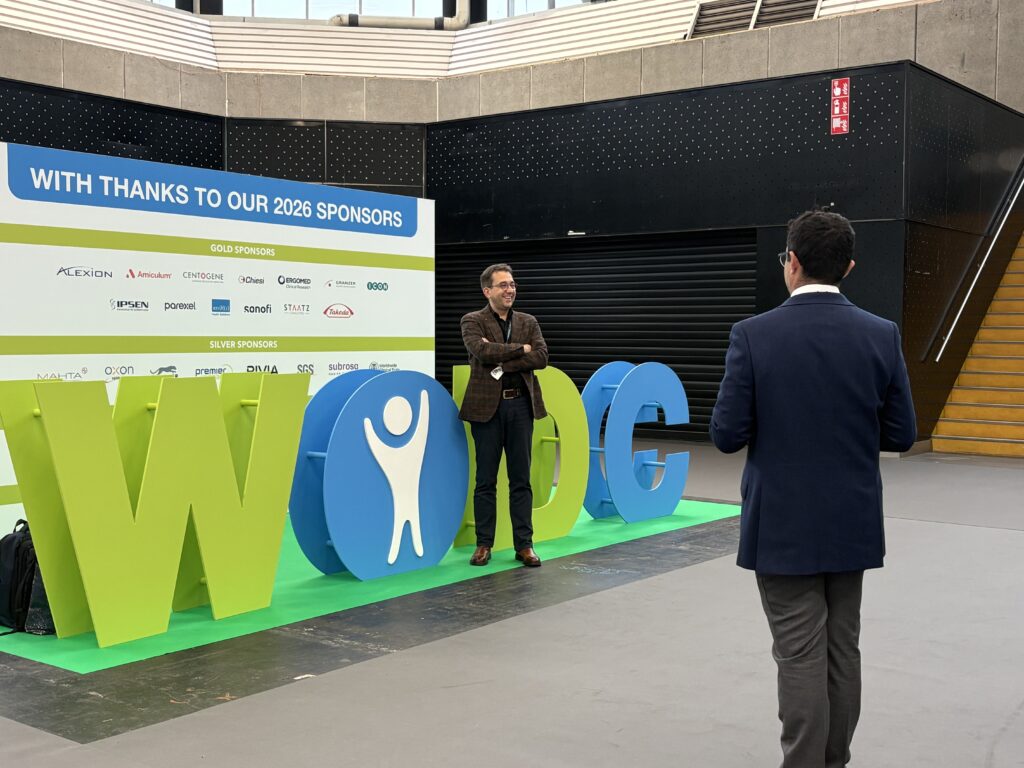
From the responsible use of artificial intelligence to clinical trials, emerging therapies and the future of the rare disease ecosystem, ERDERA contributed to discussions across the World Orphan Drug Congress Europe 2026 in Amsterdam.
Representatives from across the partnership took part in the Congress programme, sharing perspectives from ERDERA’s work and connecting with researchers, clinicians, patient representatives, industry and other members of the rare disease community.
From promise to practice: exploring AI in rare disease research
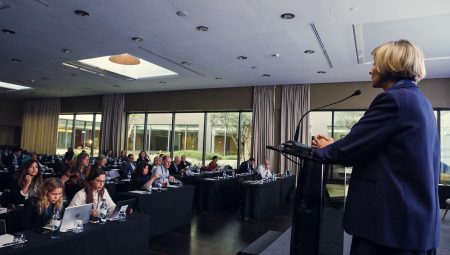
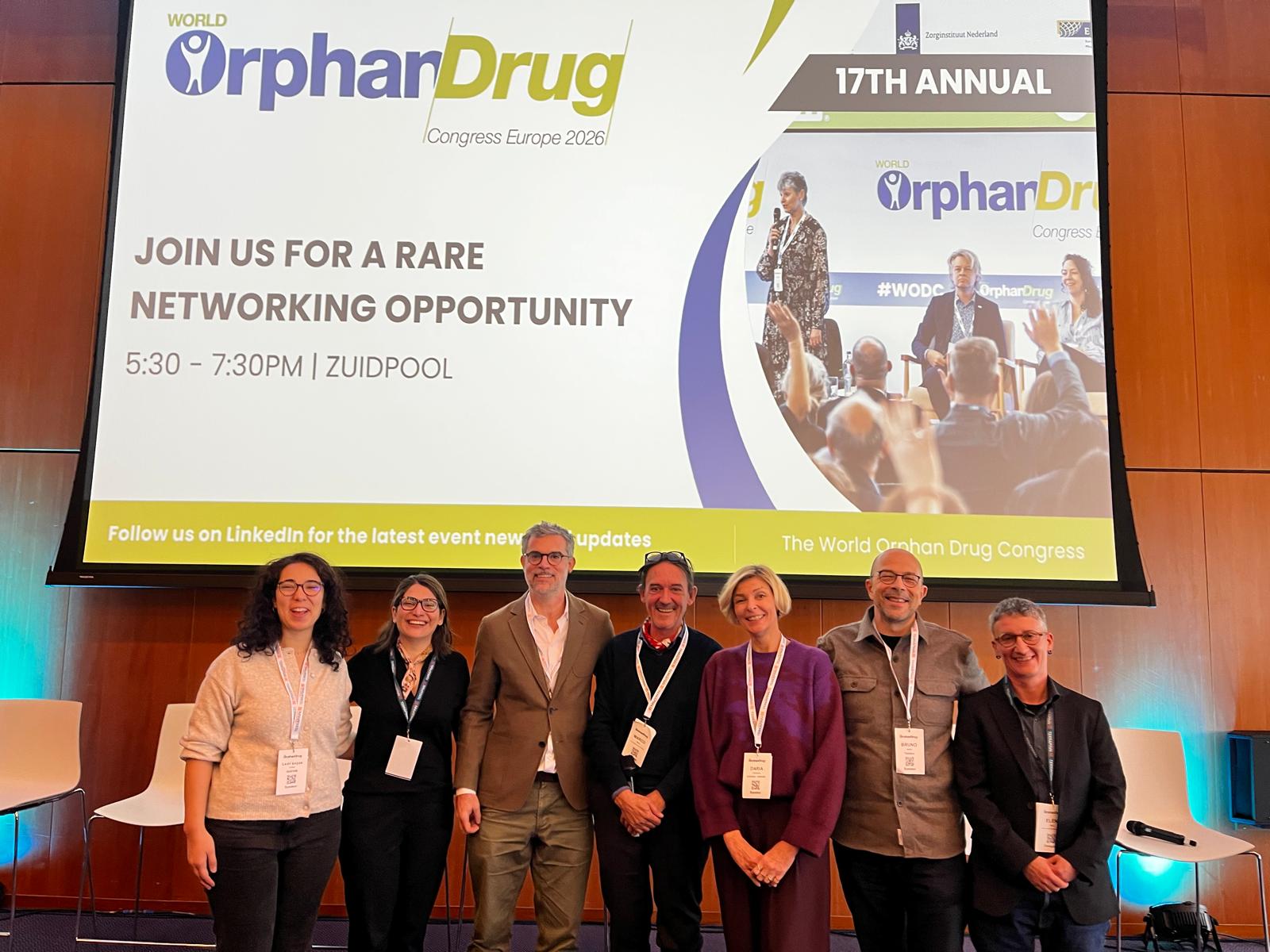
A highlight of ERDERA’s participation was the interactive workshop “AI for Rare Diseases: From Promise to Practice”, held on 26 October and attended by more than 70 in-person participants.
Moderated by Daria Julkowska, ERDERA Coordinator, and İlkay Başak Uysal, ERDERA Project Manager, the workshop brought together Eleni Mina (Senior Researcher in Bioinformatics at Leiden University Medical Center), Nicolas Garcelon (Head of Data Science at Imagine Institute), Bruno Sarfati (CEO Tekkare), Zahra Zabihin (Data Scientist at Oddifact) and Marco Nievo (Chief Scientific Officer at Children’s Tumor Foundation Europe) to examine where artificial intelligence can support rare disease research and therapeutic development, and where human expertise must remain central.
The discussion considered applications throughout the research pathway, from turning patient data into clinical insights and supporting scientific discovery to generating evidence and informing therapeutic development.
One message emerged consistently: high-quality and well-structured data is essential, but it is not enough. Researchers and other users also need the skills to use AI tools effectively, critically assess their outputs and translate complex information into reliable knowledge.
Participants also highlighted patient involvement, informed consent and responsible data use as important considerations when developing and applying AI. As these tools become increasingly accessible, scientific validation, critical thinking and human oversight remain essential. The aim is not to replace human expertise, but to use AI where it can strengthen research and support better-informed decisions.
ERDERA across the Congress programme
Beyond the workshop, ERDERA representatives contributed to discussions across the Congress programme, reflecting the partnership’s work across clinical research, national alignment and therapeutic development.
Daria Julkowska, ERDERA Coordinator, presented the partnership’s approach to supporting and shaping clinical trial projects and took part in the closing keynote panel on the future of the rare disease ecosystem.
Victoria Hedley, Co-lead of the Newcastle Centre for Rare Disease at Newcastle University, contributed to the Science and Strategy track, including a presentation on National Mirror Groups and their role in connecting national capacity with wider rare disease research efforts.
Viviana Giannuzzi, Head of the Research and Innovation Department at the Gianni Benzi Pharmacological Research Foundation, contributed to discussions on emerging therapeutic approaches and the evolving regulatory environment for orphan and paediatric medicines.
Together, these contributions connected several challenges that rarely sit in isolation in rare disease research: generating reliable evidence from small populations, developing and assessing new therapies, using data responsibly and building the structures needed for expertise and knowledge to move across countries and disciplines.
From Amsterdam to Budapest
The discussions in Amsterdam will continue in other settings across the rare disease community. One of the next opportunities to bring these perspectives together will be the RE(ACT) – Rare Disease Research Congress 2027, taking place in Budapest from 10 to 12 March 2027.
Now approaching its ninth edition, RE(ACT) will bring together researchers, clinicians, patient representatives, policymakers, industry professionals and emerging researchers for three days of scientific exchange and cross-sector dialogue. Patients, families and advocacy organisations are also integral to the Congress, helping connect research discussions with lived experience and unmet needs.