ERDERA Partners Public Outputs
Below you will find a series of pictures, key messages and goals aimed to inform and streamline communications’ work.
For media enquiries, interview requests, additional context, or case studies, please contact the ERDERA Communications office.
ERDERA Media Campaigns

ERDERA key messages
- ERDERA, the European Rare Diseases Research Alliance, is a European partnership bringing together over 170 public and private organisations across 37 countries, focused on improving prevention, diagnosis and treatment for the thirty million Europeans living with a rare disease.
- ERDERA is designed to make research more usable for patients and families by linking expertise, infrastructure and funding across borders, so that small patient populations can still generate robust evidence
- The partnership runs until 2031 and has an estimated overall budget of €380 million; this supports collaborative research projects, clinical trials, and services that help teams move from promising findings to well‑designed studies.
- Around €150 million is contributed by the European Union via Horizon Europe, with the remainder coming from Member States, countries associated to Horizon Europe, and cash and in‑kind contributions from public and private partners.
- ERDERA builds on foundations laid by the European Joint Programme on Rare Diseases (EJP RD), aiming to carry forward what worked and expand capacity where gaps remain, including data, expertise and training.
- A core feature is a Clinical Research Network that supports diagnostic and clinical research readiness, including approaches designed for rare disease realities (small cohorts, dispersed expertise and cross‑border recruitment).
- ERDERA supports health and research data use through a FAIR‑oriented ecosystem, including digital tools and, where appropriate, AI methods, with an emphasis on quality and reusability so results can be trusted and built upon.
- Patient and public involvement is treated as part of how ERDERA works, not an add‑on—helping shape priorities, study design and the relevance of outcomes for daily life.
- International and national alignment matters in rare diseases; ERDERA uses mechanisms such as National Mirror Groups to help reduce fragmentation and strengthen capacity where it is currently uneven.
- ERDERA includes policy‑relevant work—using evidence, coordination and horizon scanning to help ensure the right policies and research conditions are in place for translation—while also developing a sustainability pathway so that what is created during the partnership can continue to be delivered and maintained beyond the grant period.
ERDERA mission and roadmap
Vision and mission
- Our pledge is simple and urgent: better prevention, better diagnosis, better treatment for people living with a rare disease in Europe.
- ERDERA works to make Europe a world leader in rare diseases research and innovation, delivering concrete health benefits for patients.
- We align national and European funding and strategies to create a seamless research‑to‑care continuum and close the translation gap.
- We reduce fragmentation of knowledge and data through a federated, FAIR ecosystem—findable, accessible, interoperable and reusable.
Ambition by 2030
- ERDERA focuses on tangible solutions that improve outcomes for patients, families and health systems.
- Push diagnosis closer towards six months for identified diseases, or inclusion in a global diagnostic and research pipeline for unknown disorders.
- A substantial number of new therapies approved, expediting clinical trial readiness and regulatory fit to pave the way for approval.
- Better evaluation and understanding of the impact of rare diseases to inform policy decisions.
Roadmap and foundations
- Five routes guide action: generate knowledge into medical interventions; make data work for science, regulation and care; empower people living with rare diseases as equal partners; strengthen skills and capacity across Europe; and build an integrated pan‑European ecosystem.
- ERDERA amplifies advances from EU‑funded initiatives such as SOLVE‑RD, ERICA and the EJP RD.
- EJP RD mobilised €101 million (€55 million from the EU) for collaborative research and created a cutting‑edge virtual platform for coordinated access to rare disease data, tools and resources.
- EJP RD built capacity through training, mentoring and clinical studies support, as well as delivering practical resources.
Visual materials for communications and media
Images on this page are available for editorial use in coverage of ERDERA.
Unless stated otherwise, please credit: “© ERDERA – European Rare Diseases Research Alliance” and, where indicated, add the named photographer or partner (e.g. “© ERDERA/Photographer Name” or “© ERDERA/Partner Organisation”).
Images may be cropped for layout but should not be noticeably altered; commercial use or resale is not permitted. For permissions beyond these terms, please contact the ERDERA Communications Unit.
The ERDERA logo


Service logos

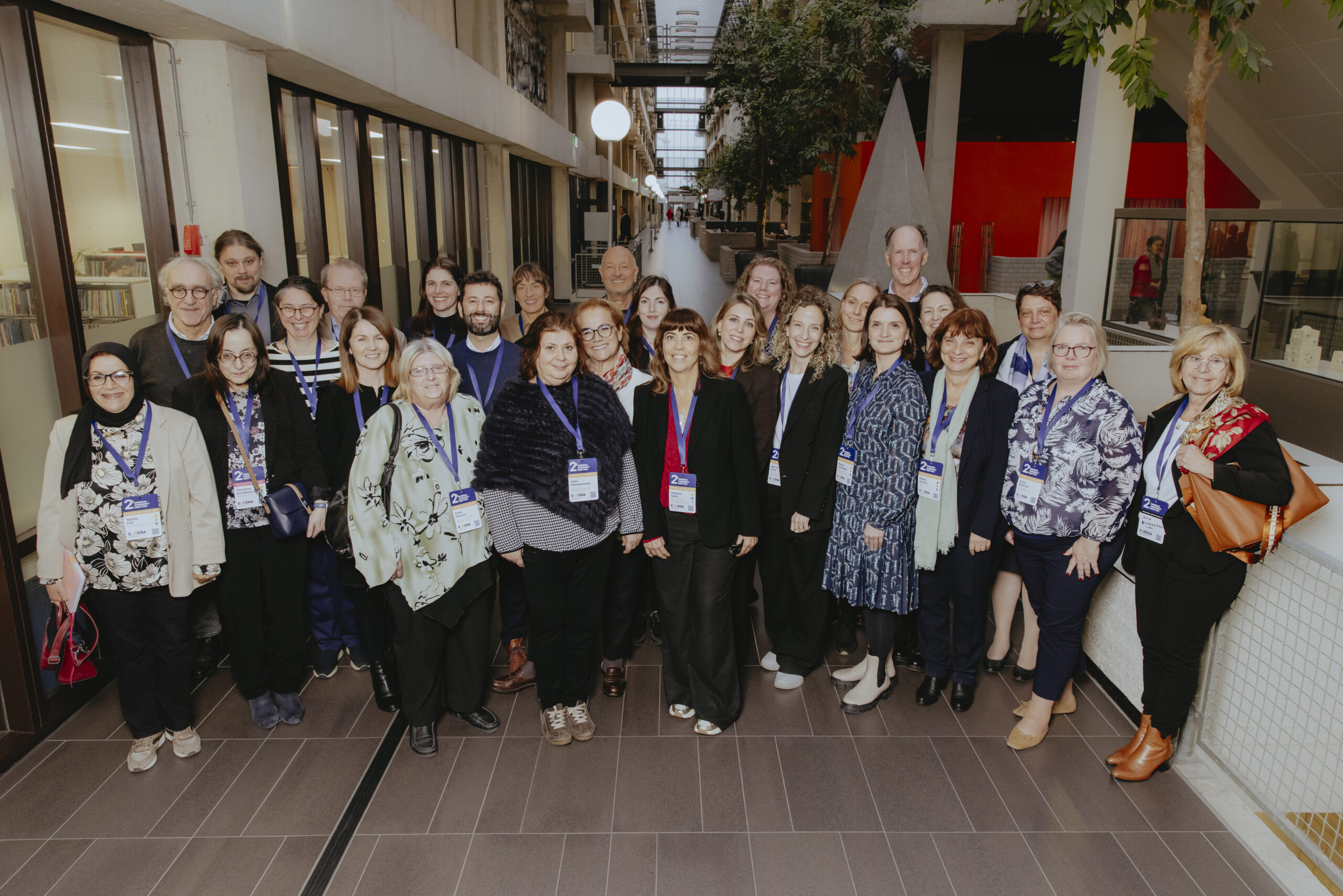
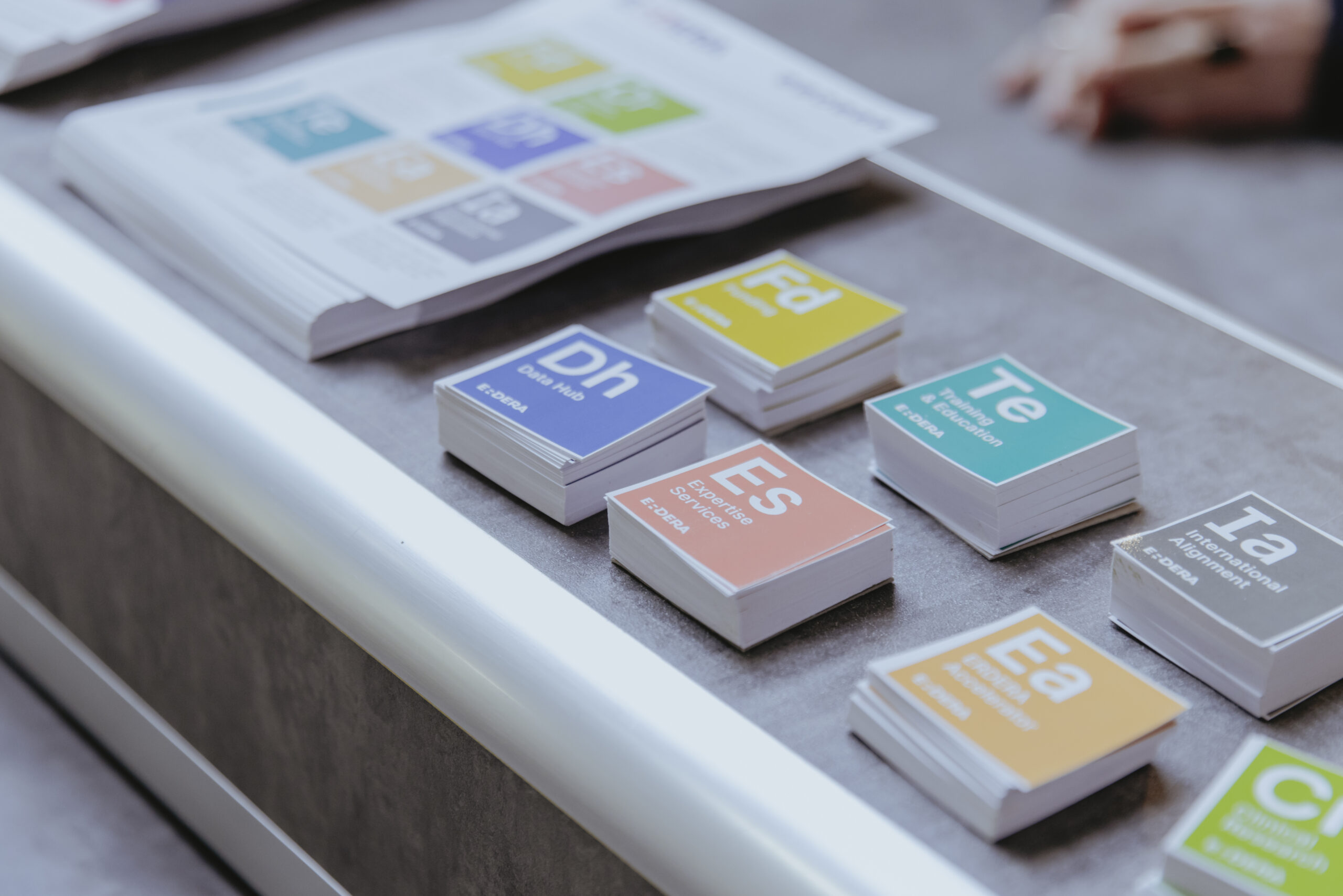
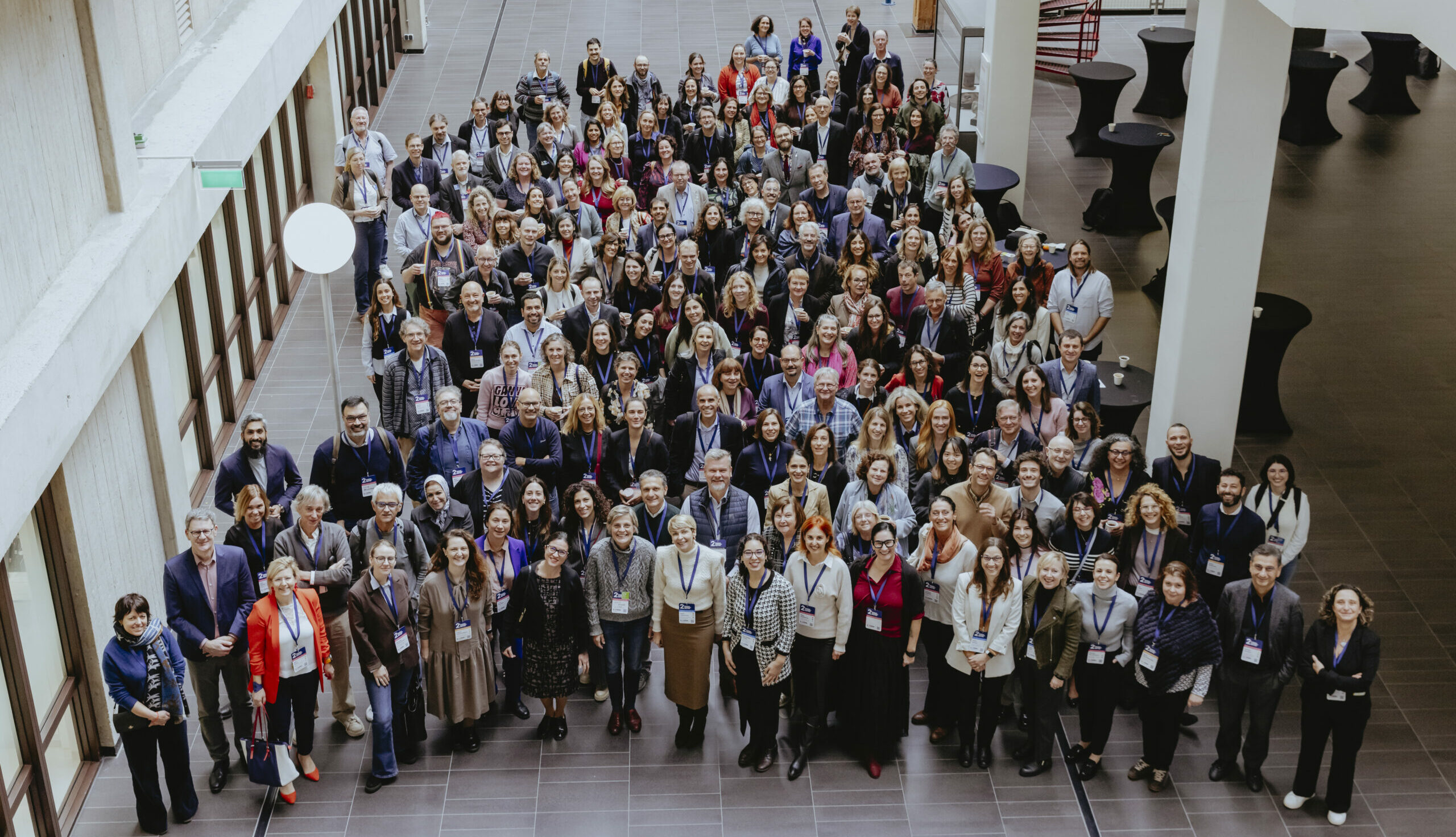
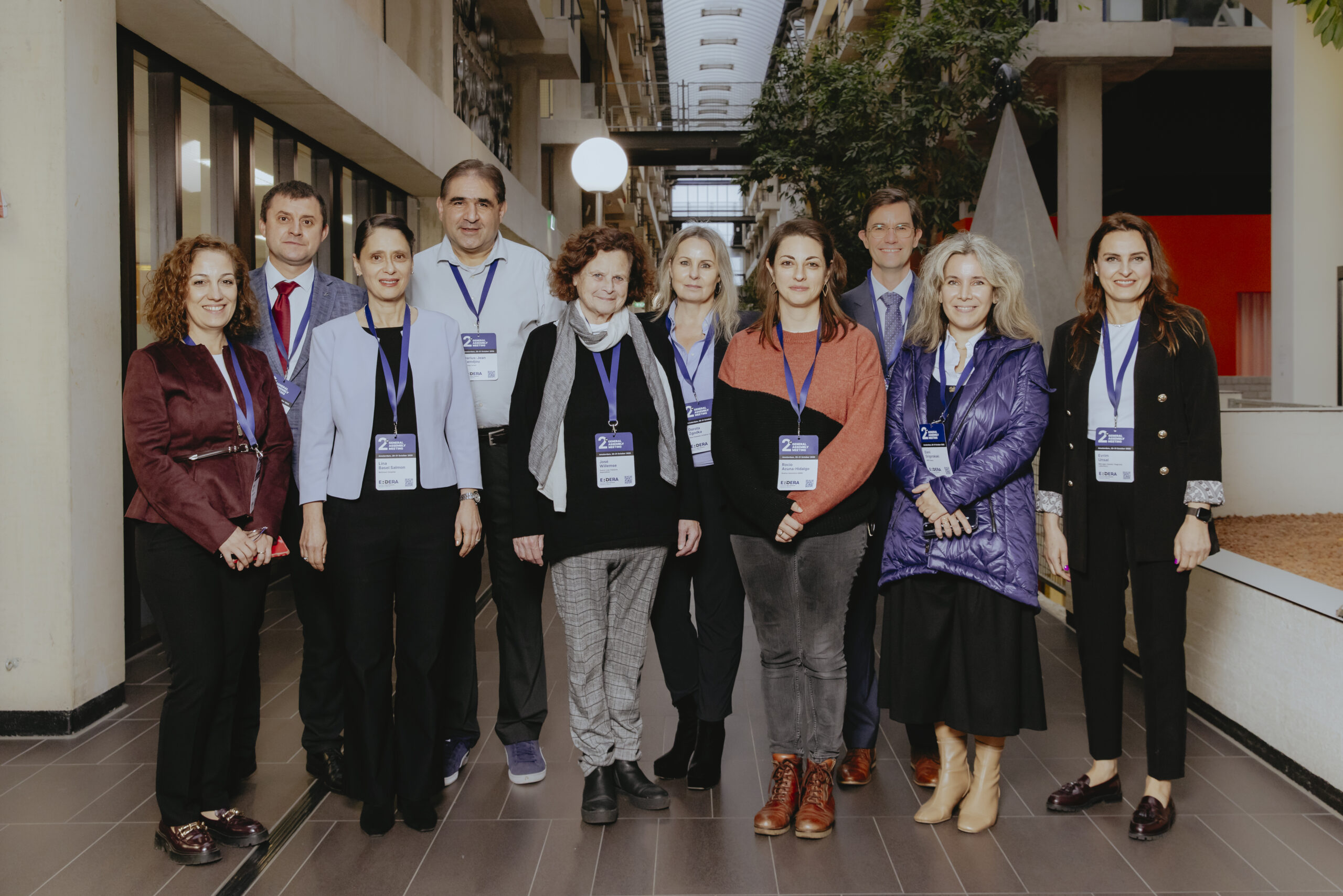
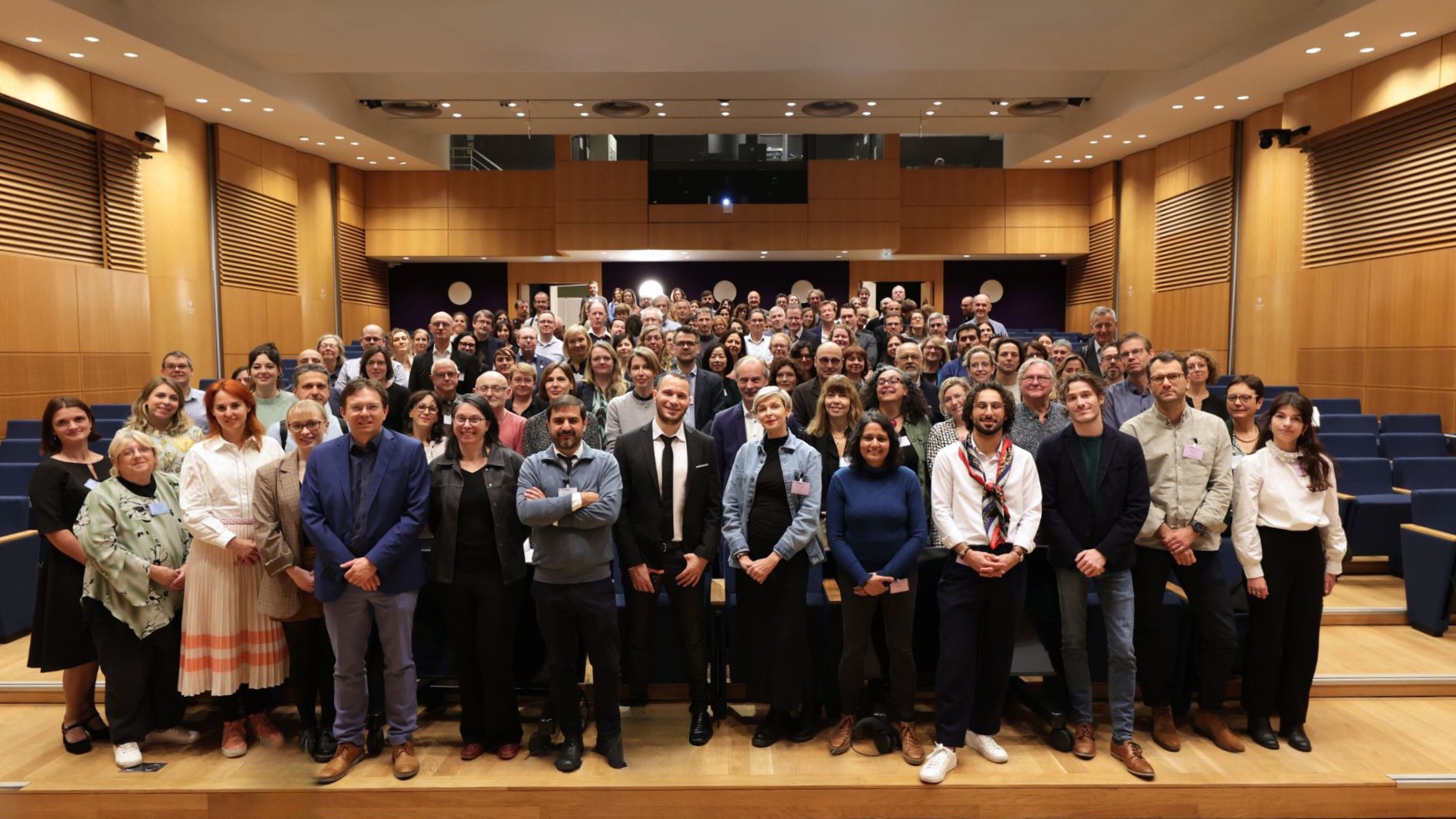
ERDERA 2nd General Assembly Meeting 2025

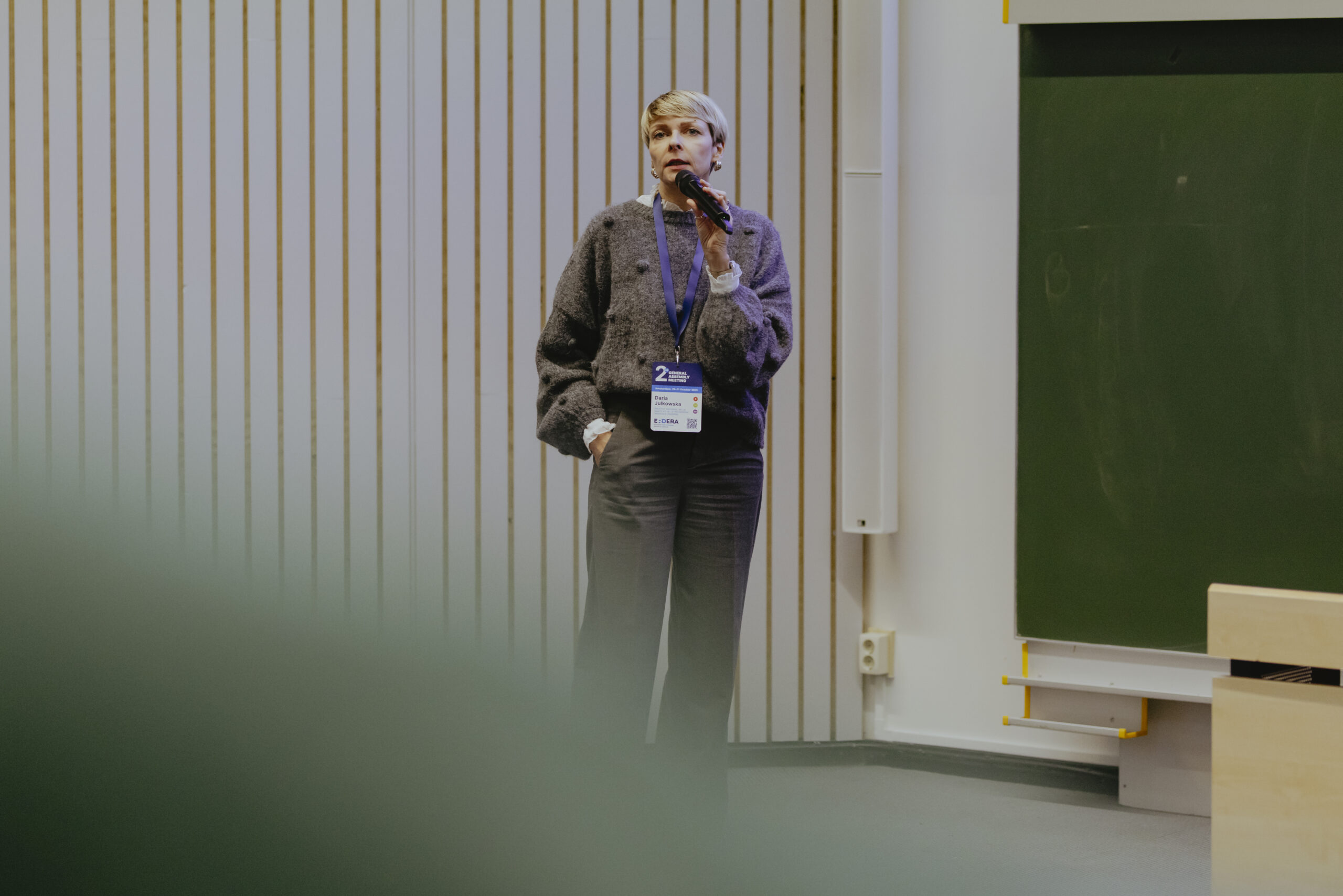
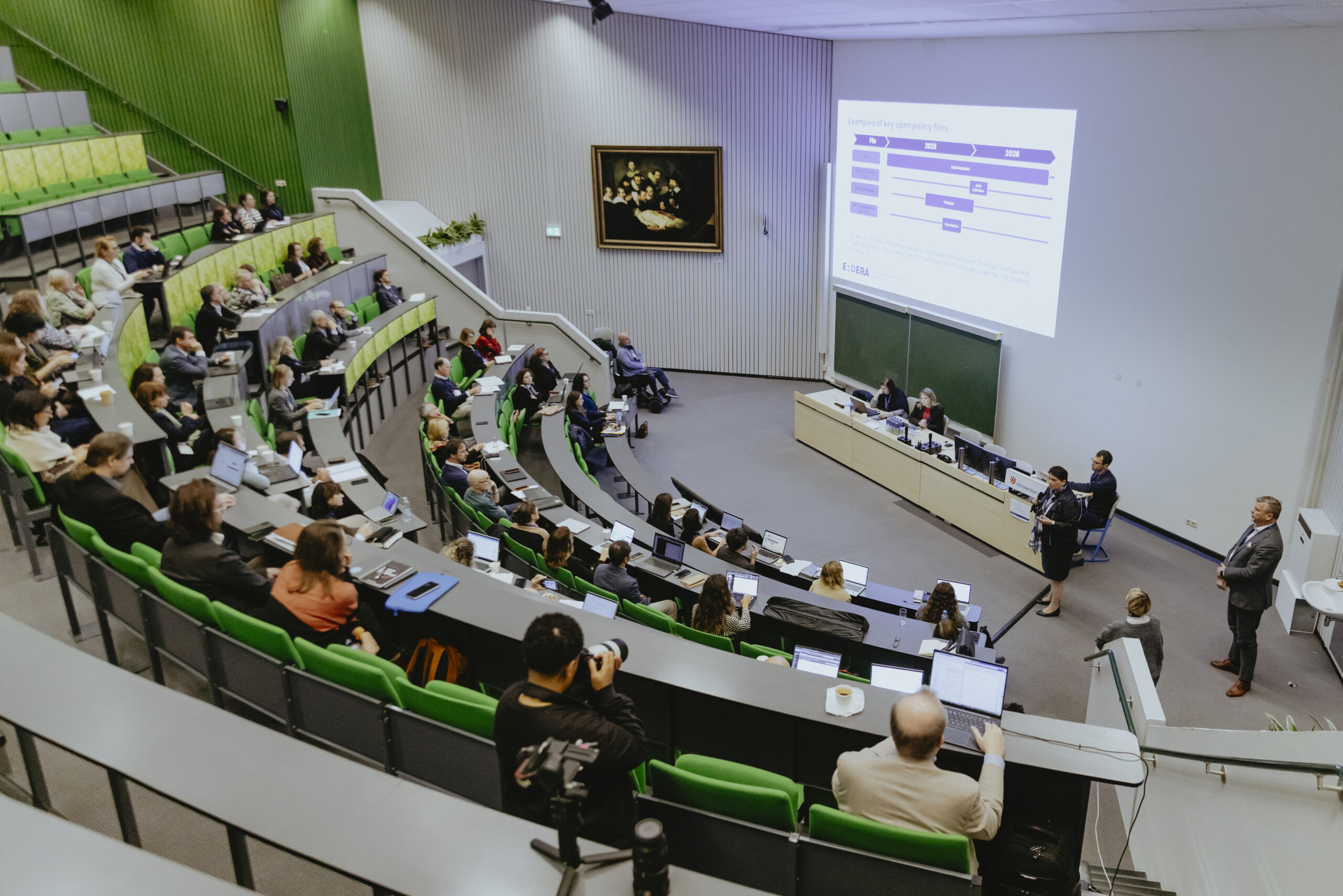


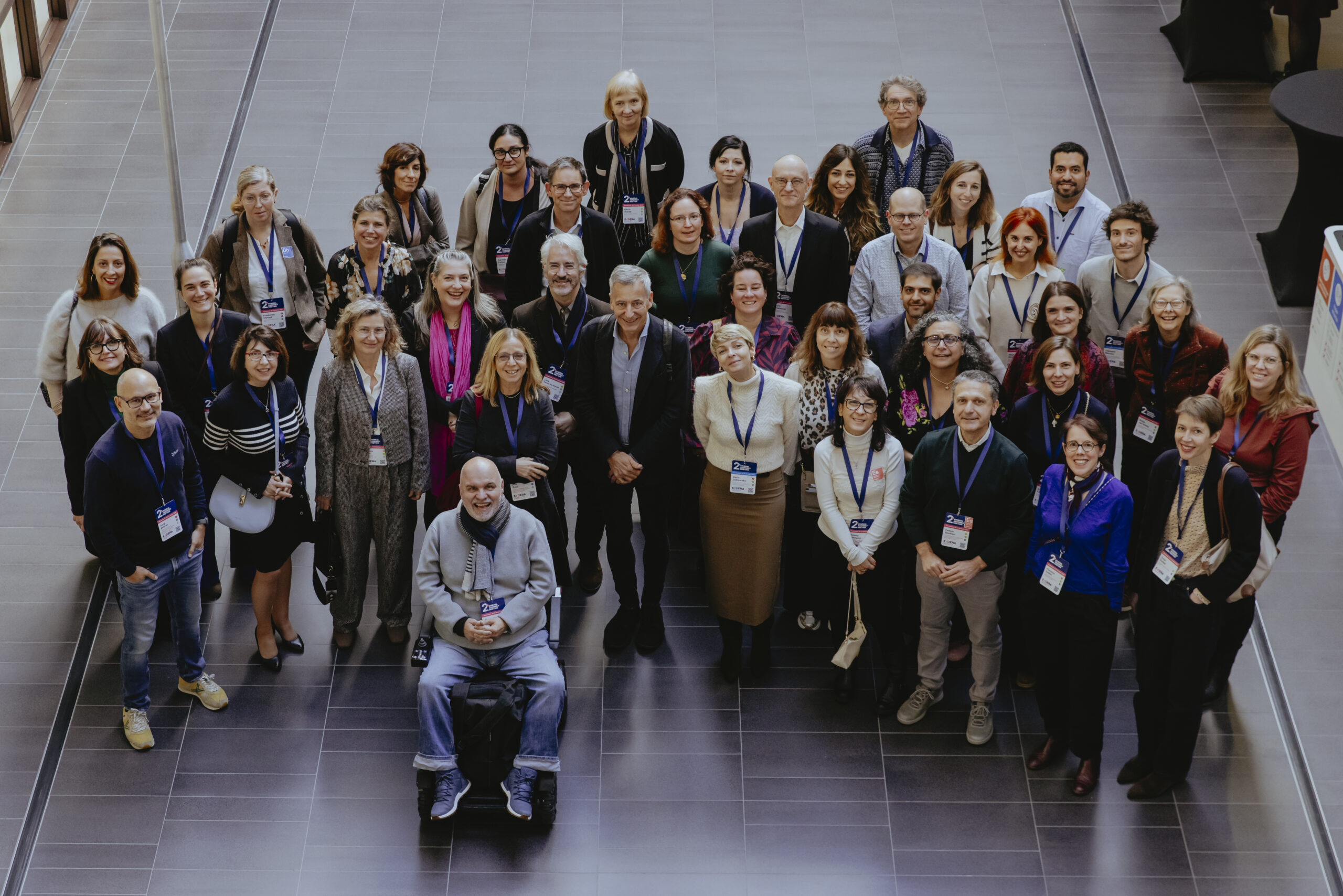
Reference pictures

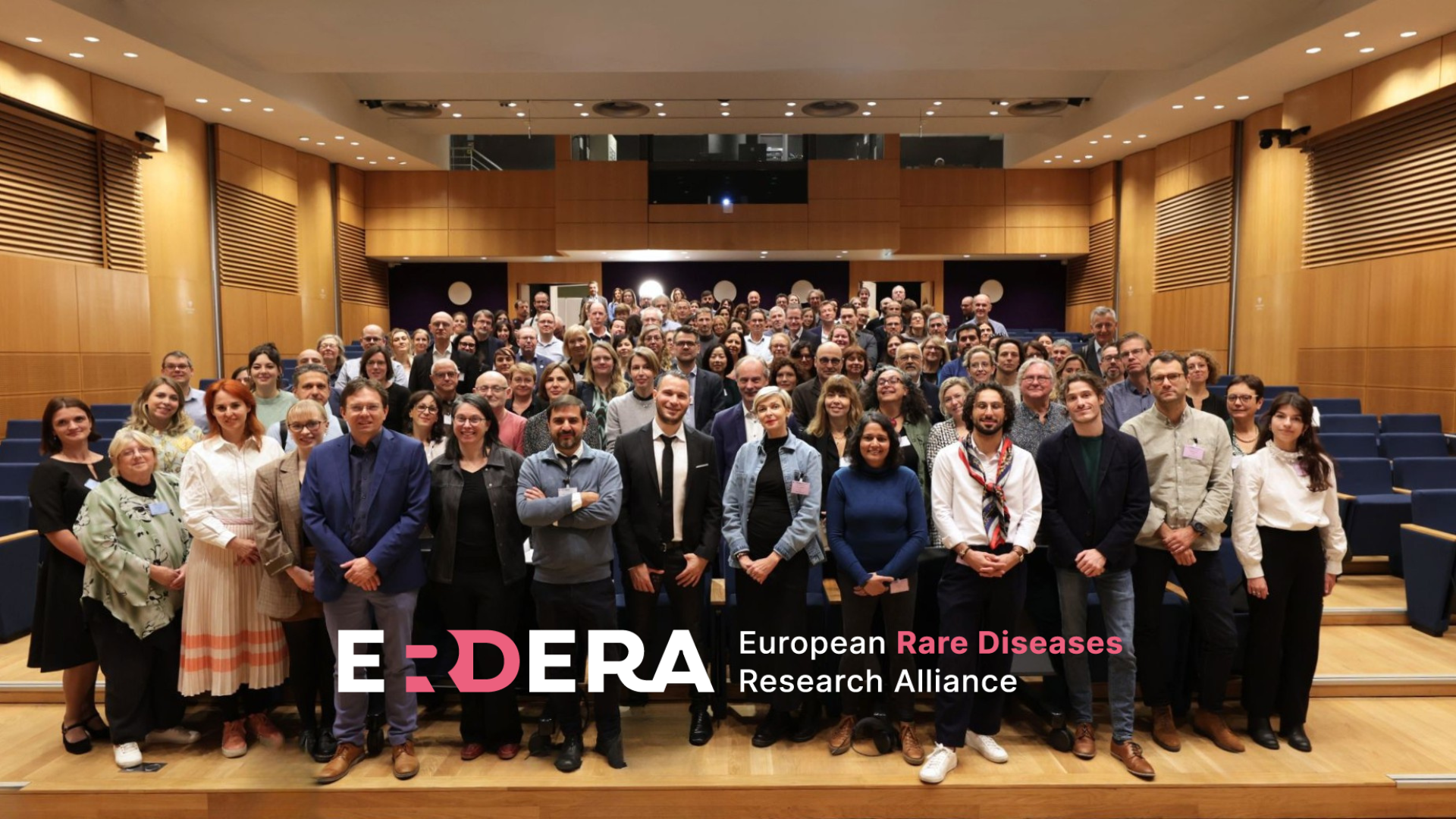

ERDERA roll-up
Requirements for outputs
If yours is an ERDERA-funded initiative, you are required to include the correct funding acknowledgement and disclaimer in your outputs.
If your output includes a visual element (for example a cover, poster, flyer or slide deck), you are also required to use the “Co-funded by the European Union” logo correctly.
Acknowledgement
This funding statement must be included in your output:
Co-funded by the European Union under the Horizon Europe programme (Grant Agreement No 101156595 — ERDERA).
Disclaimer
This disclaimer must also be included in your output:
EU logo
If the output includes a visual element, such as a publication cover, use the “Co-funded by the European Union” logo.
If you are unsure whether the wording or logo application is correct, contact COO or Comms before publication.
You might also be interested in