
Rare diseases are an area of high EU added value: no Member State can meet the challenges alone. Peoplewith rare diseases face long and difficult diagnostic journeys, very small patient populations, fragmented dataknowledge, limited access to specialised care, and the absence of approved treatments for most conditions.
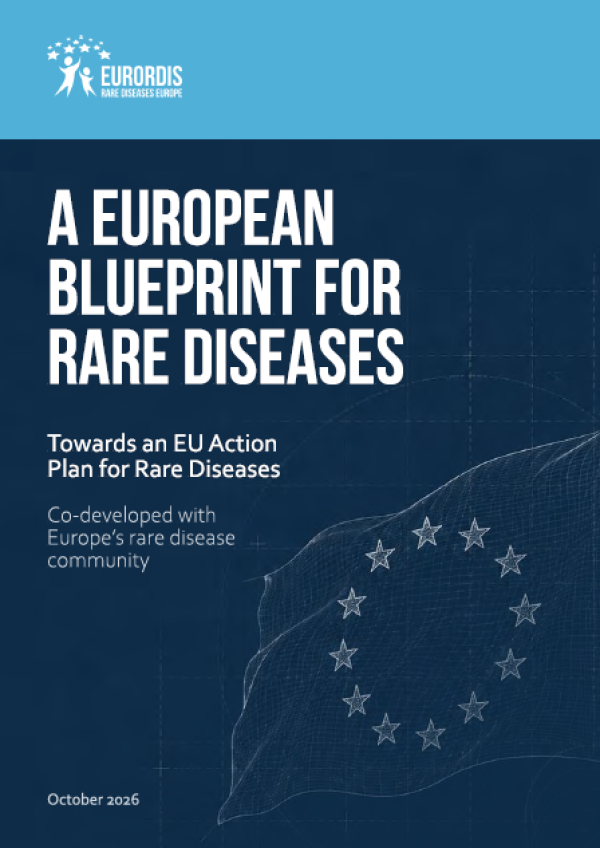
Co-developed with Europe’s rare disease community, the European Blueprint sets out a vision for a future EU Action Plan on Rare Diseases. At its heart is a simple idea: Europe has already built considerable expertise, networks and initiatives in rare diseases, but their full potential depends on stronger coordination and long-term support. The Blueprint therefore proposes bringing these efforts together within a common European framework, focusing on areas such as earlier diagnosis, specialised care, data, research and innovation, social inclusion, and access to treatments.
The Blueprint is particularly relevant because significant gaps remain for people living with rare diseases across Europe, from lengthy diagnostic journeys and fragmented data to unequal access to expertise, care and treatments. Rather than creating another stand-alone initiative, the document calls for the EU to build on what already exists, connect European and national efforts more effectively, and establish shared priorities, resources and measures of progress. Its central recommendation is for the European Commission to develop an EU Action Plan on Rare Diseases that can provide this broader strategic direction.
ERDERA has an important place within this picture. The Blueprint repeatedly identifies the Alliance as part of the European rare disease ecosystem that a future Action Plan should build on. It highlights ERDERA’s work in coordinating research through its Strategic Research and Innovation Agenda, developing research and data infrastructure, supporting genomic reanalysis for undiagnosed patients, advancing patient-centred outcome measures and developing a methodology to assess the burden of rare diseases. Importantly, the Blueprint states that future European rare disease research efforts should build on ERDERA’s work rather than develop parallel structures