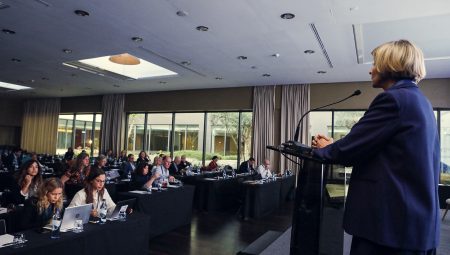

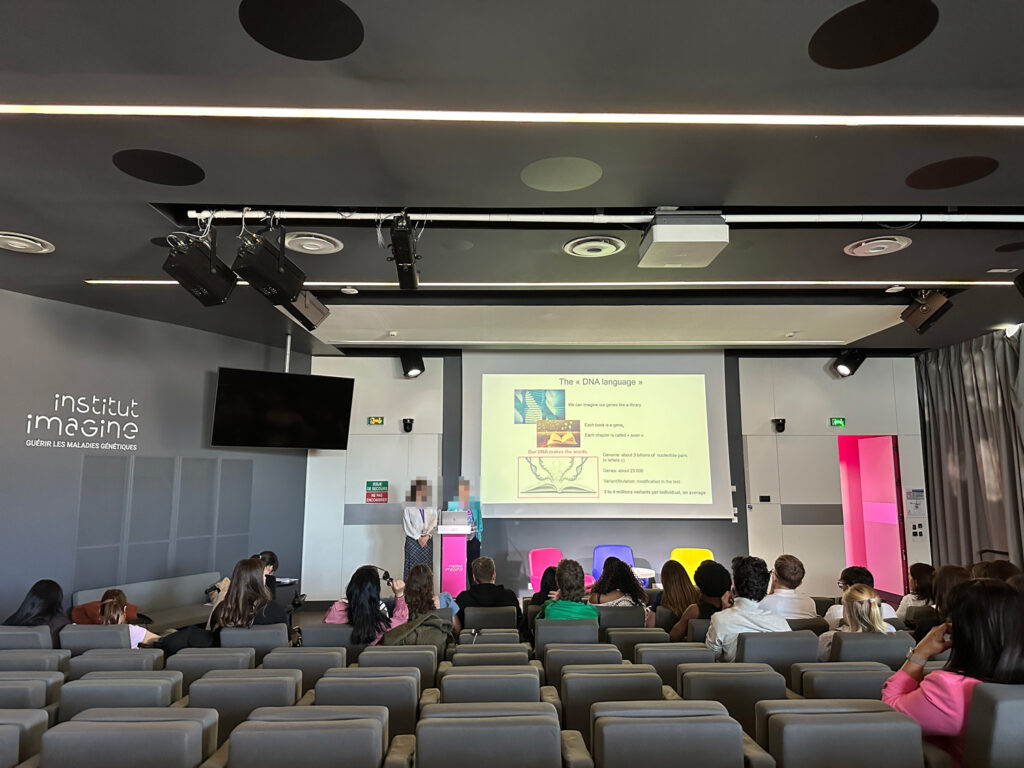
The second ERDERA Training for Young Advocates for Rare Diseases took place at Institut Imagine in Paris from 23–25 April 2026, bringing together young advocates from across Europe for three days of learning, exchange and engagement in rare disease research.
Organised within the framework of the European Rare Diseases Research Alliance, the initiative was led by Institut Imagine in collaboration with TEDDY Network and EURORDIS – Rare Diseases Europe, with support from conect4children-S. The programme is designed to equip young people aged 12 to 21 with the knowledge and skills needed to actively contribute to paediatric research and healthcare.
For patients and families, this type of initiative supports more meaningful involvement in research, helping ensure that studies reflect real needs, experiences and priorities.
Building advocacy and research understanding
The opening day introduced participants to the objectives of the ERDERA training programme and explored the role of advocacy and patient organisations, as well as the path from research to medicine.
Young participants also presented their own organisations and advisory groups, including Young Persons Advisory Groups (YPAGs) — often referred to as KIDS groups — which bring together children and young people to advise researchers on clinical studies and healthcare initiatives. These exchanges highlighted the importance of peer learning, patient representation and youth engagement in shaping research priorities.
From clinical trials to patient engagement
The second day focused on clinical research, including trial design, protocols and pharmacovigilance in paediatric populations. Sessions addressed how clinical studies are developed and monitored, as well as key challenges specific to rare and genetic diseases.
Participants also explored patient engagement in clinical trials, including patient-reported outcomes and experience measures, and discussed consent and assent in paediatric research. A round table on patient participation in translational research brought together representatives from patient organisations and advisory groups, including KIDS groups and initiatives such as RAiN, the Rare Disease All-Ireland Interdisciplinary Research Network, which involves young people in shaping research through dedicated advisory groups.
These discussions highlighted how patient perspectives can contribute to more relevant and inclusive research design.
Young patients as partners in research
The final day focused on patient registries, study methodologies and children’s rights in research. Participants explored the role of registries in generating evidence, as well as the ethical and legal frameworks that guide paediatric research, including the protection of minors and respect for their perspectives.
A practical working session invited participants to work in groups on paediatric study designs alongside experts from organisations including Critical Path Institute (C-Path), TEDDY Network, AP-HP Assistance publique – Hôpitaux de Paris and conect4children-S.Through this exercise, young advocates contributed their own perspectives and priorities, demonstrating how patient input can inform research strategies from an early stage.
What comes next
The training concluded with a reflection on key learnings and closing remarks from organisers and partners. Across the three days, the programme connected young advocates with researchers, clinicians and patient representatives, supporting ERDERA’s broader commitment to strengthening patient involvement and education in rare disease research.
By equipping young people with the knowledge and confidence to engage in research, the initiative contributes to building a more inclusive and effective research ecosystem — where patients, including children and adolescents, are recognised as partners in shaping future studies and outcomes.
Further details are available in TEDDY Network’s reports on day one, day two and day three.