1:1

publication

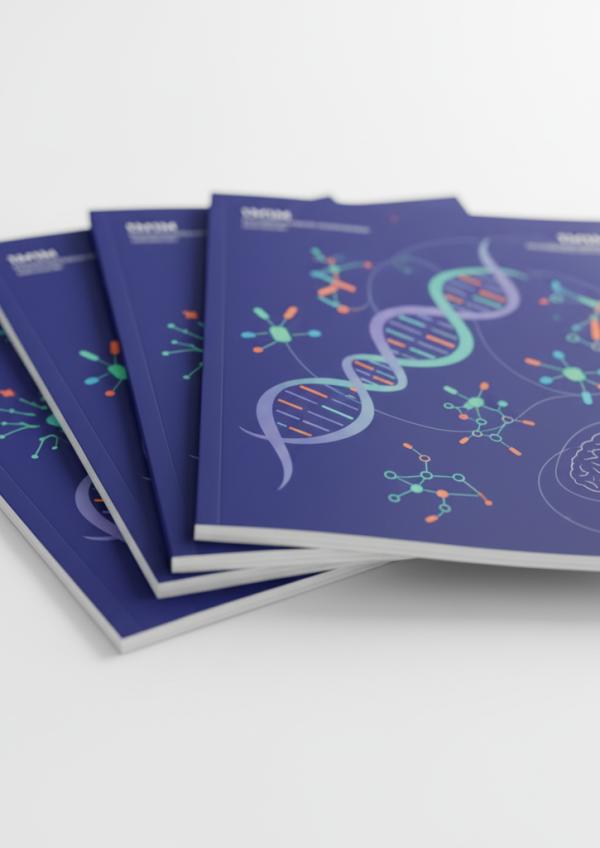
A multi-omics approach combining proteomics, transcriptomics, and exome reanalysis improved diagnosis of neurodevelopmental disorders, resolving uncertain variants and increasing diagnostic yield.

Neurodevelopmental disorders (NDDs) often have unknown genetic causes. Current efforts in identifying disease-related genetic variants using exome or genome sequencing still lead to an excessive number of variants of uncertain significance (VUS). There is an increasing interest in transcriptomics and, more recently, proteomics for variant detection and interpretation. In this study, we integrated quantitative liquid chromatography-mass spectrometry proteomics, RNA sequencing, and exome reanalysis to resolve VUS and detect novel causal variants in 34 patients with undiagnosed NDDs, using the software PROTRIDER and DROP to detect protein outliers and RNA outliers, respectively. We obtained a diagnosis in 11 cases (32%) resulting from the increased amount of information provided by the two additional levels of omics (n = 5) and the updated literature evidence (n = 6). Our experience suggests the potential of this outlier-detection multi-omics workflow for improving diagnostic yield in NDDs and other rare disorders.


Year of publication

2025

Source

npj Genomic Medicine

Link to cite

Acces to Link >

Author

Martin Man-Chun Chui, Anna Ka-Yee Kwong, Hiu Yu Cherie Leung, Chingyiu Pang, Ines F. Scheller, Sheila Suet-Na Wong, Cheuk-Wing Fung, Vicente A. Yépez, Julien Gagneur, Christopher Chun-Yu Mak & Brian Hon-Yin Chung

You might also be interested in

The RealiseD project launched a new multi-stakeholder survey that invites the rare disease community to share insights and help improve clinical trial enrolment
The two-day event will focus on translating research and policy initiatives into tangible benefits for Rare Disease patients through better prevention, diagnosis, and treatment.
The training responds to the growing need for patient advocates to understand data management, ethical considerations and the role of AI in rare disease research.
13 January – 10 February 2026 | Online webinar series to advance best practices in clinical trial design for rare and ultra rare diseases.