

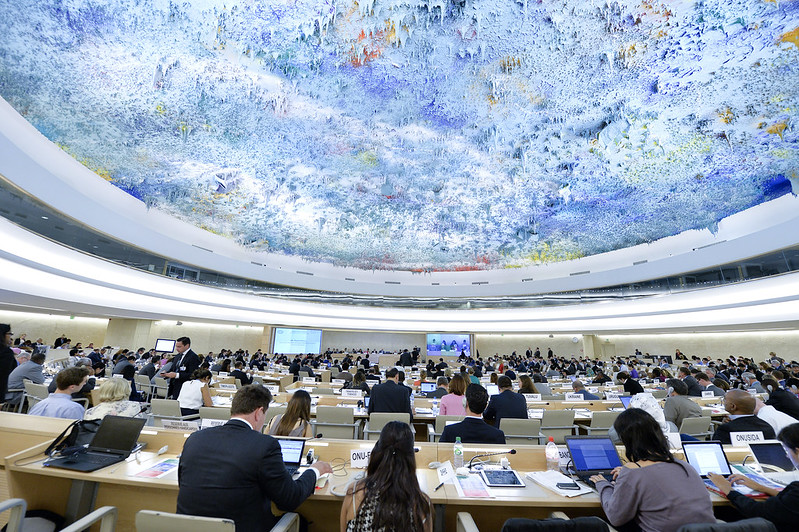
On 24 May 2025, the Seventy-eighth World Health Assembly (WHA78) voted unanimously for the resolution “Rare diseases: a global health priority for equity and inclusion,” the first time the World Health Organization has formally elevated rare diseases to the top tier of its agenda.
The text urges governments to integrate rare-disease policies in national health plans, expand newborn screening and timely diagnosis, and guarantee affordable access to medicines and assistive technologies under universal health coverage. It also encourages investment in digital tools, patient registries and centres of excellence, while promoting the active participation of patient organisations in policy design.
Member States acknowledged that more than 300 million people live with one of over 7 000 distinct rare conditions—70 % of which begin in childhood—facing delayed diagnosis, fragmented care and significant social and financial burdens.
A central provision in the resolution instructs WHO to draft a comprehensive 10-year global action plan by 2028, complete with measurable targets and an accountability framework. The plan will map existing standards, identify technological innovations (including AI-enabled diagnostics) and outline mechanisms to share data across borders—an unprecedented mandate that could reshape research pipelines and regulatory pathways worldwide.
Policy analysts agree the resolution creates fresh momentum for cross-disciplinary research consortia and public-private partnerships. It dovetails with the #Resolution4Rare campaign spearheaded by Rare Diseases International, whose coalition argues that coordinated global action is essential to reduce the 95 % treatment gap and to scale up clinical trials for ultra-rare conditions.
“This vote transforms hope into hard policy,” said Dr Daria Julkowska, Coordinator of ERDERA. “By tasking WHO with a decade-long roadmap, countries have acknowledged that no lab, clinic or registry can succeed in isolation. The resolution puts collaboration—across borders, disciplines and sectors—at the heart of delivering faster diagnoses and equitable therapies for people living with rare diseases.”
The coming months will see WHO convene Member-State consultations and expert working groups; ERDERA plans to contribute evidence from its pan-European data platforms and to advocate for bold, ring-fenced research funding in the EU Health Programme.
Photo by UN via Flickr (CC BY-NC-ND 2.0)