
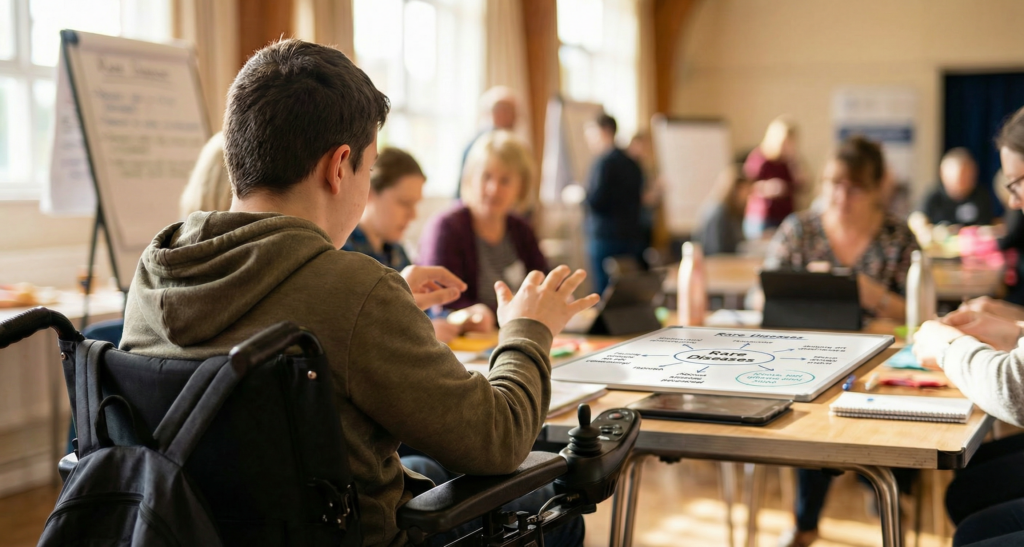
The European Rare Diseases Research Alliance (ERDERA) is inviting paediatric patients living with rare diseases to apply for the second edition of its dedicated training for young advocates. Following a successful first edition of this event in Athens in 2025, this three-day in-person session will take place at Institut Imagine in Paris, a leading centre for research and innovative care. The programme is designed to empower young people aged 12 to 21 with the knowledge and confidence required to become active voices in paediatric research and healthcare.
Empowering the next generation of patient experts
This initiative addresses the critical need for patient perspectives in the development of new therapies and clinical study designs. By providing tailored educational content, ERDERA aims to bridge the gap between young patients and the scientific community. Participants will learn how to contribute effectively to research projects, improve communication with stakeholders, and help shape the future of rare disease studies across Europe.
The training is organised by Institut Imagine in collaboration with the TEDDY European Network of Excellence for Paediatric Clinical Research and EURORDIS-Rare Diseases Europe, with additional support from the conect4children Stichting. This collaborative effort aligns with ERDERA’s mission to foster patient involvement and education as core pillars of rare disease research.
Interactive learning and research engagement
The curriculum covers a broad range of essential topics, including the specific challenges of paediatric care in genetic diseases and the fundamentals of clinical trials and study protocols. Participants will receive an introduction to patient registries and orphan medicinal products, while also exploring the ethical and legal considerations surrounding children’s rights, consent, and assent in a medical context.
The sessions are led by a multidisciplinary team of paediatricians, researchers, patient representatives, and regulatory experts. To ensure a personalised experience, selected participants will undergo a pre-training assessment to align the interactive sessions with their existing knowledge and specific interests.
Eligibility and application process
The call is primarily open to European young patients aged 12 to 21 who are motivated to deepen their understanding of healthcare and research. The training will be conducted in English, starting at 15:00 on 23 April and concluding at 15:00 on 25 April. Successful applicants will gain the skills necessary to engage as young patient experts in future international research initiatives.
Interested individuals must complete the online registration form by the deadline of 8 March 2026. Further details regarding the full three-day programme and the application process will be made available here.
Practical details
Date: 23–25 April 2026
Time: 15:00 on 23 April to 15:00 on 25 April CET
Location: Institut Imagine, 24 boulevard du Montparnasse, 75015 Paris, France
Format: In-person
Eligibility: European rare disease patients aged 12 to 21
Application deadline: 8 March 2026