1:1
Effective collaboration between industry, academia, and patient organizations is essential to advance standardized platform technologies. A recent example is the newly launched European Rare Diseases Research Alliance (ERDERA).

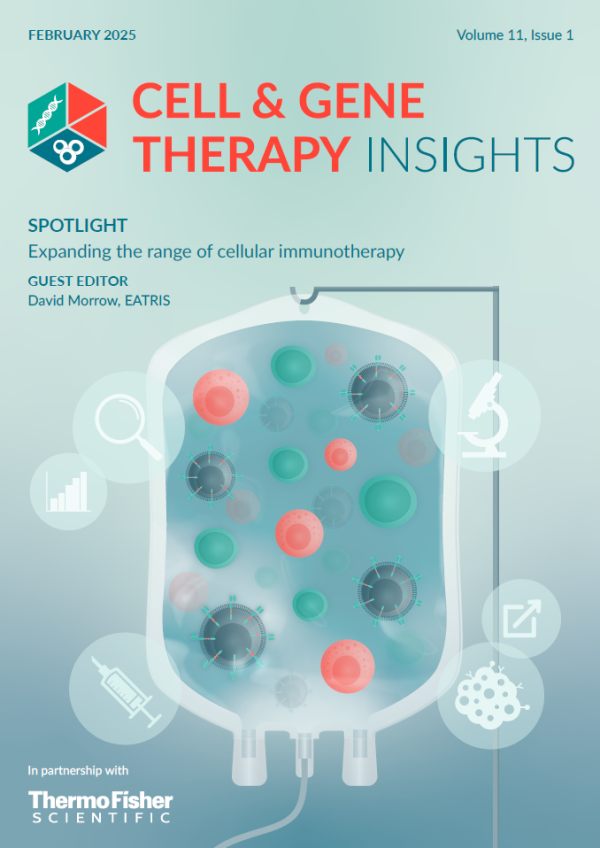
In recent years, a slew of advanced therapy medicinal products (ATMPs), particularly cell and gene therapies, have demonstrated the transformative power of these therapies. CAR-T cell therapy, for example, has revolutionized the field in the treatment of patients with various types of relapsed/refractory (R/R) B-cell malignancies including diffuse large B-cell lymphoma (DLBCL), B-cell acute lymphoblastic leukemia (B-ALL), follicular lymphoma (FL), mantle cell lymphoma (MCL), and multiple myeloma (MM). CAR-T cell application in solid tumors, however, remains elusive due to a variety of challenges in the biology. This not withstanding, results published in 2024 brought renewed optimism for the use of CAR-Ts in solid tumors, by showing that targeting two brain tumor-associated proteins instead of one showed promise
as a strategy for reducing tumor growth in patients with recurrent glioblastoma (GBM), an aggressive form of brain cancer.


Year of publication

2025

Source

Science DIrect

Link to cite

Acces to Link >

Author

Anton Ussi, Toni Andreu, Florence Bietrix, and David Morrow

You might also be interested in

This study investigates possible measures that could be taken at EU level to address these challenges. It finds significant European added value in harmonising coordination and access across the 27 Member States, mainly in terms of improved diagnostic tools and availability of medical treatment, better health outcomes, particularly lower infant mortality, and improved well-being of family members and caregivers.
28 February, across Europe and beyond: one year into delivery, ERDERA is advancing towards shorten diagnostic journeys and improved therapies for people living with a rare disease.
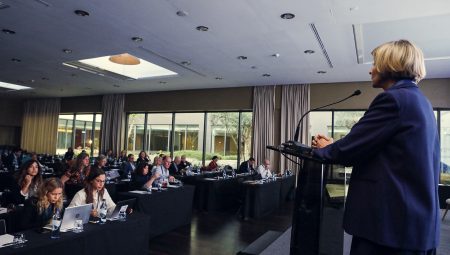
This meeting will focus on practical approaches to phenotyping and diagnosis in undiagnosed conditions, including how to define next steps when a diagnosis remains uncertain, and how to strengthen pathways and collaboration around undiagnosed care.
In its first year, ERDERA has brought together 10 000 harmonised genomic and phenotypic datasets from unsolved rare disease cases across Europe, creating a secure, standardised and scalable resource.