Designing clinical studies for rare diseases comes with unique challenges. Each patient often contributes a rich and complex medical story but the number of patients is small. This leads to data that are diverse, detailed, and sometimes incomplete. To turn this complexity into scientific strength, we provide advanced methodological support for researchers across Europe .
By bringing together specialists in biostatistics, epidemiology, data science, artificial intelligence, and machine learning, we aim to empower clinical research networks and healthcare centres with the best tools to conduct high-quality studies in rare diseases.
Our goal is to turn complex data into clear answers that benefit patients living with rare diseases.
How We Work With You
We offer hands-on expertise directly to research teams within ERDERA or with funded projects conducting clinical trials or working with real-world evidence. We also work closely with regulatory specialists to explore qualification pathways for innovative methods, helping them gain recognition and adoption across Europe. Get in touch with us for additional information.
What We Do
Our teams across different institutions in Europe help research groups choose and apply the most suitable study designs and statistical methods for rare disease research.
We support projects using:
Clinical trials
Real-World Data, including registries and epidemiological studies
Mixed data sources, combining clinical and real-world evidence
We use a wide range of cutting-edge methods such as Bayesian and likelihood-based approaches, randomization techniques, and modern comparison tools, to ensure analyses are robust, precise and tailored to small populations.
Why It Matters
Over the past decade, European collaborations have shown that adapted methodologies dramatically improve the value of clinical studies for rare diseases. Building on this strong foundation, our service accelerates:
The implementation of proven methods developed specifically for small populations
The development of new approaches where gaps and unmet needs remain
This helps ensure that promising innovations reach clinical teams and patients more efficiently.
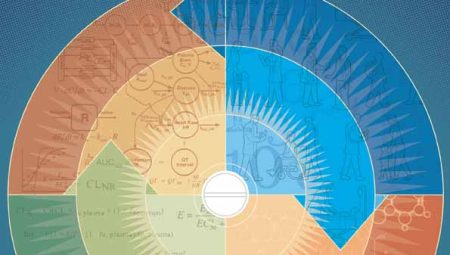
A new simulation framework leverages pharmacometrics to optimise clinical trial designs for disease-modifying treatments in rare neurological conditions.
Experts provide a comprehensive reflection on the unique clinical and methodological challenges inherent in designing and executing trials for rare diseases.
ERDERA’s ethics and regulatory experts are launching a dedicated webinar series to help the rare disease research community navigate two fast-moving areas of biomedical research: Advanced Therapy Medicinal Products (ATMPs) and Artificial Intelligence.
This initiative is also highly relevant from a rare diseases perspective, as paediatric cancers are rare conditions where small patient populations make robust non‑clinical proof‑of‑concept data essential for responsible and ethical trial initiation.
For rare diseases, where research often relies on limited animal models and small development teams, the regulatory acceptance of virtual control groups could help streamline early non‑clinical studies while maintaining a strong focus on patient safety.
The two-day event will focus on translating research and policy initiatives into tangible benefits for Rare Disease patients through better prevention, diagnosis, and treatment.