Tag: 2026

A legislative own initiative file in the Parliament’s new public health committee sets out what an EU “rare disease action framework” could look like — and why it could change how Europe measures progress for patients.
European Parliament research service assessment, published in February 2026, identifies 31 measures that could form an EU rare disease action plan, highlighting European Reference Networks and cross-border collaboration including ERDERA as drivers of EU added value.
This study investigates possible measures that could be taken at EU level to address these challenges. It finds significant European added value in harmonising coordination and access across the 27 Member States, mainly in terms of improved diagnostic tools and availability of medical treatment, better health outcomes, particularly lower infant mortality, and improved well-being of family members and caregivers.

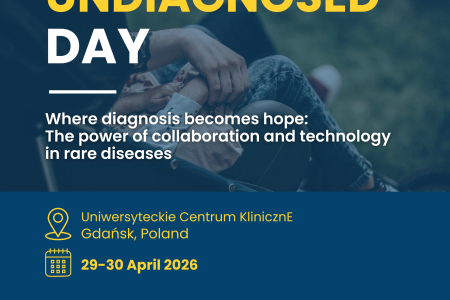
This meeting will focus on practical approaches to phenotyping and diagnosis in undiagnosed conditions, including how to define next steps when a diagnosis remains uncertain, and how to strengthen pathways and collaboration around undiagnosed care.
The European Medicines Agency has begun a formal review of Tavneos (avacopan) after emerging information raised questions about the integrity of key clinical trial data supporting its EU authorisation, with potential implications for adults living with rare autoimmune vasculitis.
On 24 February, in Brussels and online, EURORDIS will bring the rare disease community together for its fifteenth Black Pearl Awards ceremony, held in the lead‑up to Rare Disease Day.
Greater efforts are needed to invest in infrastructure, foster inclusive study designs and align research agendas.
A draft ICH E22 guideline on patient preference studies is now open for public comment via the European Medicines Agency until 12 April 2026.
Following the 11 December 2025 political agreement, EU institutions are moving towards formal adoption of a new Directive and Regulation that will reshape how medicines—including orphan and paediatric medicines—are developed, authorised and supplied across the European Union.